
2026 Best Ursolic Acid Powder Suppliers for Global Buyers
Choosing a supplier for Ursolic Acid Powder takes more than comparing prices or reading a purity claim. Global buyers need clear specifications, traceable batches, and documents that match the material shipped. Ursolic acid is a plant-derived compound, and its source, extraction process, and test method can affect how suppliers describe their products. Small details matter. A certificate of analysis should identify the batch, assay method, and relevant limits—not just display a percentage. Ask for sample documentation before placing a large order.
Researcher J. Liu’s review, “Pharmacology of Oleanolic Acid and Ursolic Acid,” provides scientific context for this compound. A practical sourcing reminder for this guide is: “A strong specification is only useful when the test method and batch records support it.” This is an editorial line, not a direct quotation from Liu. Buyers should also check particle size, packaging protection, lead times, and how the supplier handles questions or discrepancies. A polished website is not proof of consistent production. Neither is one impressive sample.
This 2026 supplier overview is designed to help international buyers compare manufacturers and distributors with care. It focuses on verifiable quality information, communication, and supply capability. Some supplier details may change; confirm current documents and terms directly. That extra step takes time. It can prevent a costly mismatch later.
Ursolic Acid Powder: Definition, Sources, and Common Uses
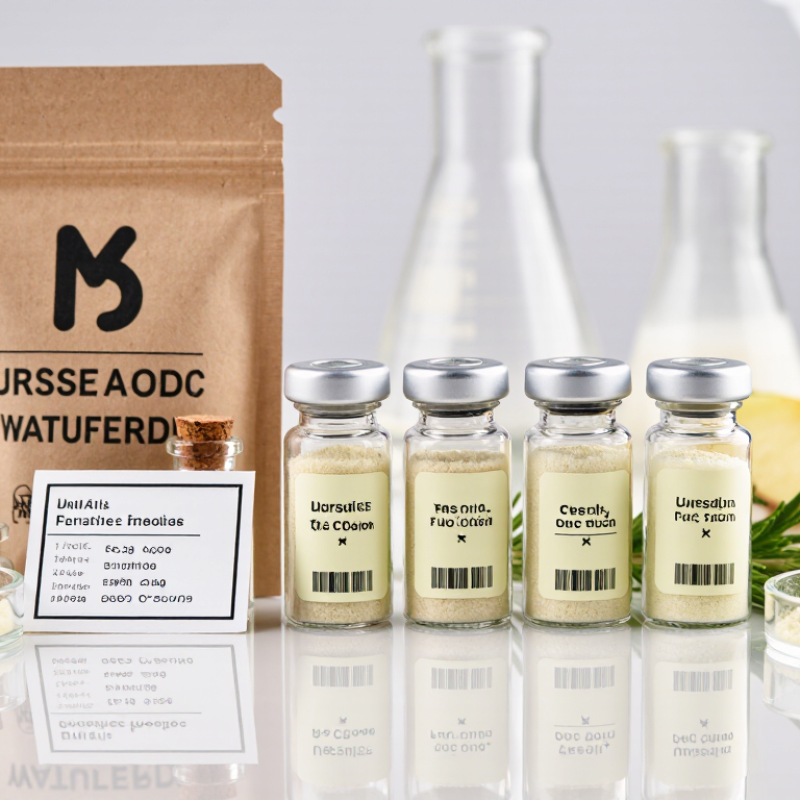
Ursolic acid is a naturally occurring plant compound in the triterpenoid family. It is found in apple peel, rosemary, thyme, and other plants. In commercial form, it is usually supplied as a fine, pale powder. Its appearance and texture can vary with the plant source and processing method. Small details matter.
Manufacturers may extract it from botanical materials or produce enriched plant extracts. The powder is used in laboratory research and as an ingredient in some cosmetic and wellness formulations. It has drawn scientific interest, but evidence for specific health effects remains incomplete. Claims should be read carefully. Ursolic acid also has limited water solubility, which can affect how formulators handle and disperse it.
For global buyers, a clear specification is more useful than a broad purity claim. Request batch-specific identity and assay results, plus information about contaminants and residual solvents. Check that the documents match the supplied lot. A neat certificate is not the whole story; sampling and independent verification may still be worthwhile. Supplier information can differ, and that uncertainty deserves attention.
Key Specifications and Quality Factors Buyers Should Understand
2026 Best Ursolic Acid Powder Suppliers for Global Buyers
Key Specifications and Quality Factors Buyers Should Understand
Ursolic acid powder should be assessed by more than its quoted assay. Ask for the test method, such as HPLC, and confirm the result applies to the specific production batch. A certificate of analysis should also identify the batch number, test date, and specification limits. Small details matter.
Tips: Request recent batch documents, not just a sample certificate. Compare the stated assay with the actual test result. If a supplier cannot explain a specification clearly, pause and ask again.
Check the botanical source, extraction details, moisture level, particle size, and storage conditions. These can affect consistency, handling, and shelf life. Where relevant, review test results for residual solvents, heavy metals, and microbial limits. Confirm that testing comes from a qualified laboratory and that methods are disclosed. A pale, fine powder may look consistent, but appearance alone cannot verify purity. Packaging also deserves attention: sealed, moisture-resistant containers help protect material during shipping. Even a complete document set may leave questions about batch-to-batch variation, so request more than one batch record when consistency is important. Compare specifications carefully, and avoid treating a single number as proof of overall quality.
How to Evaluate Ursolic Acid Powder Suppliers
2026 Best Ursolic Acid Powder Suppliers for Global Buyers
How to Evaluate Ursolic Acid Powder Suppliers
A reliable supplier should explain the powder’s botanical source, extraction process, and quality controls clearly. Request a recent certificate of analysis for the specific production lot, not just a sample document. Check whether it reports assay results, test methods, and relevant contaminant testing. Ask how the supplier manages batch consistency and stores material to protect it from moisture and heat. Details matter.
Tips: Ask whether the assay uses a suitable method, such as HPLC, and whether testing is performed in-house or by an independent laboratory. Compare the results with your own product specifications. Clarify minimum order quantities, lead times, packaging, and how complaints or failed batches are handled. Ask for specifics.
A small sample can help you assess color, odor, flow, and compatibility with your process, but it cannot replace analytical review. I would not treat a polished PDF as proof; method details and lot identification matter. Traceability should connect the powder to its source and production records. Suppliers may vary in how much detail they provide, and that is worth discussing before purchase. Keep written records of specifications and agreed testing requirements.
Supplier Verification, Testing, and Regulatory Compliance
For global buyers, supplier verification should begin with traceability, not a polished brochure. Request the botanical source, extraction details, lot number, and a certificate of analysis matching the shipment. Check that the report identifies the test methods and acceptance limits, rather than listing results without context. A document can look complete and still leave important gaps.
Test a representative sample through a qualified laboratory. Confirm identity and assay, and review relevant checks for heavy metals, microbes, moisture, and residual solvents. Ask whether the laboratory’s accreditation covers the methods used. Compare the sample results with the released batch documents; small differences deserve an explanation. Keep retained samples and dated records. They help when a later shipment changes in color or flow. Testing is not a guarantee, though. Sampling errors happen.
Regulatory review depends on the destination market, product category, and intended use. Ask the supplier for current technical and safety documents, and have a local compliance specialist assess applicable requirements before import or sale. Verify manufacturing claims with audit records or certificates, and confirm their scope and validity dates. Do not treat a certificate as blanket approval. Requirements can shift, and supplier paperwork may lag behind. That is easy to overlook. A careful buyer should record unresolved questions and delay approval when critical evidence is missing.
Comparing Global Suppliers for Price, Logistics, and Reliability
For global buyers comparing ursolic acid powder suppliers, the quoted price is only a starting point. Request a current specification sheet and a batch-specific certificate of analysis. Check the assay method, moisture level, and limits for relevant contaminants. Details matter. Results are harder to compare when suppliers use different test methods or report specifications differently.
Ask for pricing at your actual order size, then compare the landed cost, not just the unit price. Include packaging, freight, insurance, customs handling, and any temperature or humidity controls stated for transit. Confirm the shipping origin, estimated dispatch date, and who manages delays or damaged cartons. A lower quote may come with a longer lead time or less flexible payment terms. Plans change.
Reliability is easier to judge when a supplier gives clear answers and consistent documents. Request a recent sample, inspect its packaging and labeling, and verify that the sample matches the offered batch documentation. Ask how production lots are tracked and how complaints are investigated. For repeat orders, compare delivery records across several shipments, rather than relying on one successful delivery. No comparison is perfectly clean: exchange rates and freight costs can shift, and a neat spreadsheet may hide those changes. Keep assumptions visible, and ask suppliers to confirm key terms in writing.
