What is 3D Anti-counterfeiting Label and How Does It Work?
The rise of counterfeiting poses significant challenges for industries worldwide. It's estimated that counterfeit goods cost the global economy up to $4.2 trillion annually. This alarming figure emphasizes the urgency for effective solutions. In this battle against counterfeit products, the introduction of the 3D Anti-counterfeiting Label stands out as a noteworthy innovation.
These labels leverage advanced technology to create three-dimensional images that are difficult to replicate. This unique feature allows consumers and businesses to verify product authenticity quickly. As brands seek to protect their intellectual properties, they increasingly adopt the 3D Anti-counterfeiting Label. In fact, a recent industry report indicated that the adoption rate of such labels is projected to grow by 30% over the next five years.
However, while the technology offers promising potential, challenges remain. Some manufacturers may overlook the importance of proper label integration. This might lead to gaps in security. Moreover, industry education on counterfeiting is still inconsistent. Businesses must reflect on their strategies and ensure holistic approaches in combating counterfeit threats. The potential of the 3D Anti-counterfeiting Label is significant, but its implementation must be thorough to be truly effective.
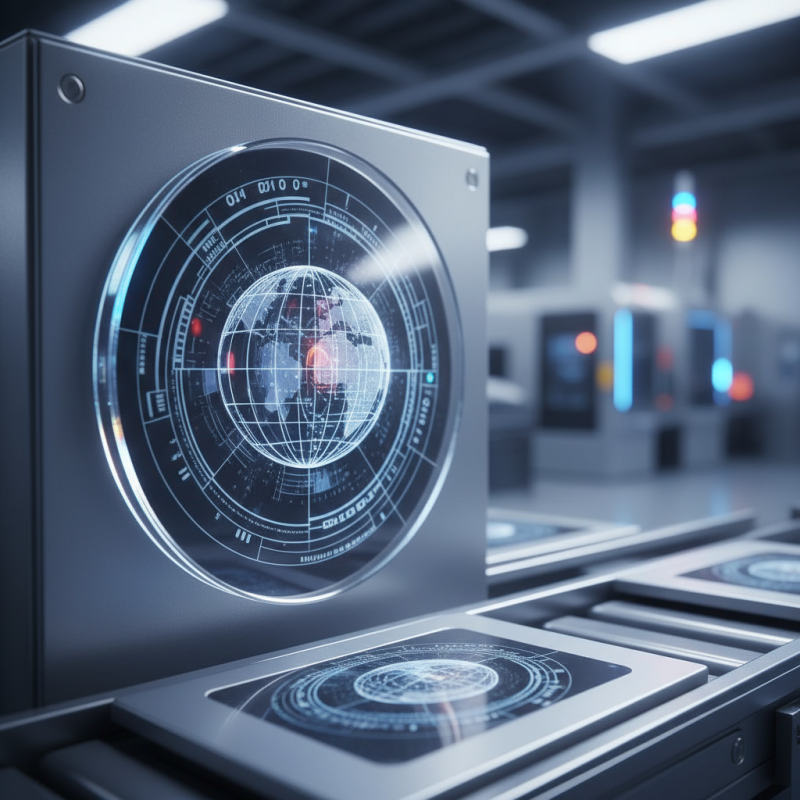
What Are 3D Anti-counterfeiting Labels?
3D anti-counterfeiting labels are innovative solutions designed to combat product forgery. These labels incorporate unique visual elements that change appearance when viewed from different angles. This technique relies on optical effects, making it difficult for counterfeiters to replicate. The 3D design can be made from various materials, including films and foils, providing flexibility in application.
The technology often involves microstructures that manipulate light. These microstructures create depth, patterns, and colors that seem to shift, offering a distinctive visual identity. When consumers inspect these labels closely, they notice features that are hard to replicate. They can include holograms, color-shifting paints, or intricate patterns. However, creating these labels requires advanced manufacturing processes, which some small businesses may struggle to access.
Sometimes, the visual complexity of these labels can be overwhelming. Users might find it difficult to recognize genuine products at a glance. It's essential to educate consumers about what to look for. Ensuring that everyone understands the value of these labels is crucial. The effectiveness of 3D anti-counterfeiting labels lies not just in their design but also in consumer awareness.
Key Features of 3D Anti-counterfeiting Labels
3D anti-counterfeiting labels are innovative tools designed to protect products from forgery. Their key features include visual complexity and interactivity. These labels often change appearance when viewed from different angles. This feature makes it hard to duplicate. The technology behind them involves advanced holographic designs and intricate patterns.
Another important aspect is the integration of unique identifiers. Each label can have a distinct serial number or QR code. This adds another layer of security. Users can scan these labels to verify authenticity easily. But, remember, not all labels are created equal. Some may appear convincing but lack robust technology.
Tips: When evaluating a 3D label, check for holographic elements. Look for detailed patterns that are hard to reproduce. Also, ensure the unique identifier is easily accessible. This ensures the label can truly serve its purpose. Always be cautious of counterfeit products. An overly simple label might indicate a lack of security features.
How 3D Anti-counterfeiting Labels Work
3D anti-counterfeiting labels offer a novel solution in the fight against counterfeit goods. These labels utilize advanced technology that creates unique visual effects when viewed from different angles. This multidimensional feature helps brands protect their products from imitation. According to a recent report by Grand View Research, the global anti-counterfeiting market is expected to reach $260.3 billion by 2027. This indicates a rising concern about counterfeit products across various industries.
How do these labels actually work? They integrate elements like holograms and microtext. When light hits the label, it refracts in ways that are hard to replicate. This complexity makes it difficult for counterfeiters to duplicate them precisely. In 2021, it was noted that 33% of consumers encountered counterfeit products in the marketplace. This alarming statistic highlights the necessity of improved labeling solutions.
Yet, there are challenges. The production of 3D labels can be costly and requires specialized equipment. Not every company can afford these investments. For instance, a notable portion of small businesses may find it difficult to justify the cost against potential losses from counterfeiting. The balance between security measures and economic viability remains a topic for discussion.
3D Anti-counterfeiting Labels - Usage in Various Industries
Applications of 3D Anti-counterfeiting Technology
3D anti-counterfeiting technology has diverse applications across various sectors. It is widely used in product packaging, making it harder to replicate. Industries like pharmaceuticals, electronics, and luxury goods benefit greatly from these labels. Their unique visual effects help distinguish genuine products from counterfeits.
In the pharmaceutical field, 3D anti-counterfeiting labels enhance medication safety. These labels can include holograms or shifting images that are easy to spot. This technology plays a crucial role in ensuring that patients receive legitimate drugs. The electronics industry uses these labels to protect against counterfeit components. Trust is vital in this sector, and 3D labels add a layer of assurance.
Tips: Always check for visible features on labels. Keep an eye on how they reflect light. If something seems off, it’s worth investigating. Relying on technology is great, but manual checks are still essential. The luxury market demands utmost authenticity, and 3D labels serve to elevate brand integrity. They create a perception of quality that resonates with consumers. Still, businesses must continuously innovate to stay ahead of counterfeiters.
Future Trends in 3D Anti-counterfeiting Solutions
The demand for 3D anti-counterfeiting solutions is escalating as businesses confront the rising threat of counterfeit products. According to a recent industry report, global losses from counterfeit goods could exceed $4.5 trillion by 2024. Companies are searching for innovative ways to protect their products and their brand image.
Emerging technologies in 3D anti-counterfeiting involve holograms, microstructures, and digital watermarking. These technologies offer advanced security features. For instance, integrating a unique 3D pattern into a label can make counterfeiting incredibly challenging. As per market analysis, the 3D hologram market is projected to grow by 18% annually. This growth is fueled by the need for reliable authentication methods.
However, implementing these solutions isn't without challenges. Not all businesses have the resources to adopt such advanced technologies. Additionally, if not properly managed, some 3D labels could be vulnerable to replication. Companies must find the right balance between security, cost, and usability to effectively combat counterfeiting. Continuous innovation and adaptation are crucial in this ever-evolving landscape.
