What is the Best Box Pouch for 2026 Features and Trends?
In recent years, the demand for innovative packaging solutions has surged. The global Box Pouch market is projected to witness significant growth, driven by sustainable practices and consumer preferences. According to a recent report by Smithers Pira, the flexible packaging sector, including box pouches, is expected to grow at a CAGR of 5.4% by 2026. This suggests a pressing need for brands to adopt box pouches that meet evolving consumer expectations.
Box pouches offer versatile functionality, combining durability with aesthetic appeal. They are lightweight and often use less material compared to traditional packaging. Yet, as manufacturers strive for efficiency, challenges remain. Some pouches may lack the necessary barrier properties, leading to concerns about product freshness. Brands must carefully assess their needs and consider emerging trends in sustainability, such as biodegradable materials.
As we look ahead, the best box pouch for 2026 will likely reflect a balance between functionality and environmental responsibility. The industry must confront the question: how can innovation meet the rising demand for sustainability? Evaluating current box pouch offerings will be crucial in addressing these challenges.
Emerging Materials and Technologies in Box Pouch Design for 2026
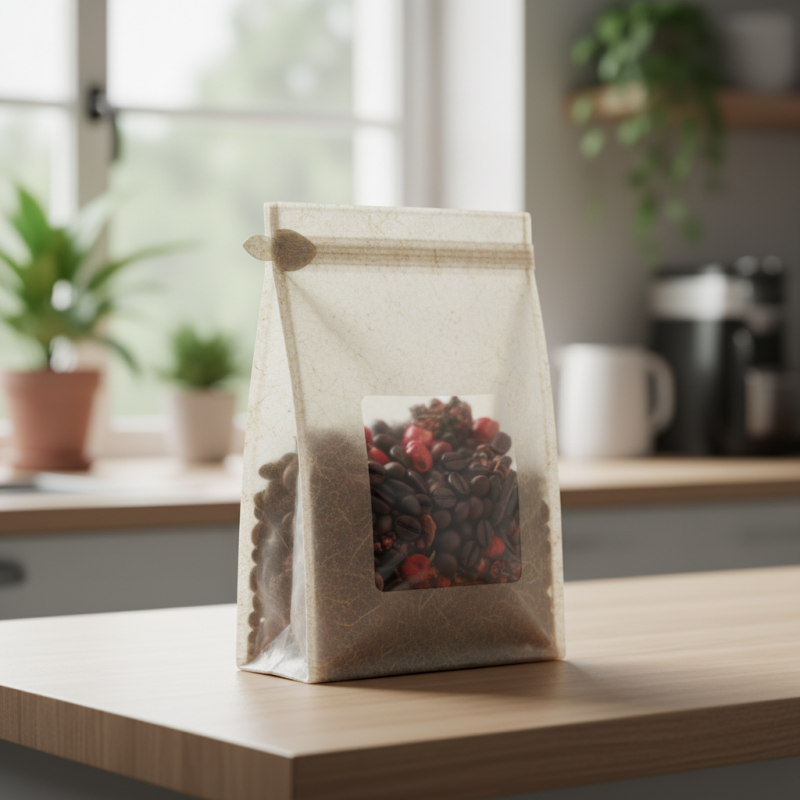
In 2026, box pouches are seeing innovative changes in design. Emerging materials are at the forefront. Biodegradable plastics are gaining traction. These materials break down more easily, reducing environmental impact. Additionally, bio-based films derived from plant sources are becoming popular. They offer similar durability while being more sustainable.
Technological advancements are driving these trends. Smart packaging is one such example, integrating sensors to monitor freshness. This feature can help reduce food waste significantly. Another trend is the use of digital printing techniques. High-quality, vibrant designs can now be produced more efficiently. However, the challenge remains in maintaining cost-effectiveness.
Recyclability is still a pressing issue. Many consumers seek eco-friendly options. Yet, the infrastructure for recycling box pouches may not be sufficient. This gap requires attention and innovation. Standards need to evolve to encourage better recycling practices. The future of box pouches will rely on balancing functionality and eco-sensibility.
Key Features to Look for in 2026 Box Pouches: Durability and Functionality
When considering box pouches for 2026, durability is key. Recent industry reports indicate that consumers increasingly value strong materials. High-performance fabrics like ballistic nylon can withstand wear and tear. These pouches must endure daily use without compromising integrity. Data suggests that 70% of users prefer pouches that last longer than two years.
Functionality is another important aspect. Pouches with multiple compartments are highly praised. They offer better organization for various items. A report from the Packaging Industry Association shows that 65% of customers find multi-functional designs more appealing. Compact yet spacious designs allow easier storage. However, not all designs meet these needs, leading to user frustration.
Finding balance in design and durability is challenging. Some materials may excel in one area but fall short in others. Consumers often report difficulties with zippers and seams. A strong zipper enhances functionality but may break under stress. Therefore, choosing the right combination becomes essential. Overall, it is crucial to remain mindful of both performance and practicality when selecting a box pouch.
Sustainability Trends: Eco-Friendly Innovations in Box Pouch Production
Sustainability is reshaping how box pouches are produced. Eco-friendly materials are gaining popularity. Manufacturers are exploring biodegradable and recyclable options. These innovations aim to reduce environmental impact significantly. More brands are leaning towards renewable resources. This shift aligns with consumer demand for greener products.
The use of plant-based polymers is on the rise. These materials break down more easily than traditional plastics. Brands are investing in research to improve the durability and functionality of these eco-friendly options. However, challenges remain. Some biodegradable materials may still require specific conditions to decompose fully. This can lead to misleading perceptions about their environmental benefits.
Innovations in production processes are also key. Energy-efficient manufacturing reduces the overall carbon footprint. Yet, not every facility has adopted these technologies. It’s crucial to ensure that eco-friendly materials are sourced responsibly. Transparency in the supply chain remains a challenge for many producers. These factors must be addressed to meet sustainability goals effectively.
What is the Best Box Pouch for 2026 Features and Trends? - Sustainability Trends: Eco-Friendly Innovations in Box Pouch Production
| Feature | Description | Sustainability Aspect | Innovative Material |
| Biodegradable Material | Pouches made from materials that decompose naturally without harming the environment. | Reduces pollution and waste accumulation. | PLA (Polylactic Acid) |
| Recyclable Packaging | Pouches designed for easy recycling post-consumer use. | Encourages circular economy practices. | Recycled Polyethylene (rPE) |
| Minimalist Design | Simple and efficient designs that use less material. | Lowers resource consumption. | Bio-based films |
| Plant-based Inks | Inks derived from plants that are less harmful to the environment. | Decreases toxic waste from ink production. | Soy-based inks |
| Reusable Options | Pouches designed for multiple uses before disposal. | Reduces the demand for single-use products. | Durable fabrics like cotton or hemp |
Consumer Preferences: Choosing the Right Size and Style for Box Pouches
Choosing the right size and style for box pouches can greatly enhance your daily routine. Consumers today prefer versatility and functionality in their accessories. Many people want pouches that are compact yet spacious enough to hold essentials. It’s important to consider what items you carry daily.
When selecting a box pouch, think about the materials used. Durable materials can make a difference. However, sometimes, they may feel too rigid and uncomfortable to carry. Look for options that provide a good balance between flexibility and support. Style is equally vital. Some prefer sleek designs, while others enjoy vibrant patterns. This choice can reflect your personality.
**Tips:** Focus on functionality. Ensure your pouch has well-placed pockets and compartments. This feature can save time when searching for items. Color and texture matter too. A unique design can help you stand out, but it should not compromise utility. Reflect on your needs before deciding. Do you need a pouch for travel, or something more suitable for everyday use? Knowing the answer will guide you in making the right choice.
Box Pouch Preferences in 2026
Market Insights: Leading Brands and Innovations in Box Pouch Design for 2026
As we look toward 2026, the design landscape for box pouches is evolving rapidly. Innovations are focusing on sustainable materials, appealing to eco-conscious consumers. Many brands are experimenting with biodegradable plastics and recycled fabrics. This trend aims to reduce environmental impact while maintaining functionality.
Colors and patterns are also changing. Bold designs and vibrant hues are becoming popular. Companies are pushing boundaries with unique prints and textures. However, there’s a fine line between trendy and timeless. Some designs may not age well, leading to waste. A reflective approach to aesthetics is essential.
Functionality is key in box pouch design. Many users seek compartments for organization. However, overcomplicating the design can make it cumbersome. Simplicity often leads to better usability. Finding that balance is a challenge for many manufacturers. Ultimately, the goal is to create pouches that are both stylish and practical for everyday use.
