
China Best Glyphosate Herbicide Manufacturers for Buyers
Glyphosate Herbicide is a major input in modern weed management, but choosing a supplier takes more than comparing prices. The U.S. Geological Survey’s Pesticide National Synthesis Project estimates herbicide use across U.S. crops and counties, documenting glyphosate’s broad agricultural footprint through 2016. These figures describe use, not product quality or current market share. That distinction matters. Weed scientist Stephen Powles has described glyphosate as “arguably the world’s most important herbicide.” Its importance, however, does not make every formulation or manufacturer equally suitable for every buyer.
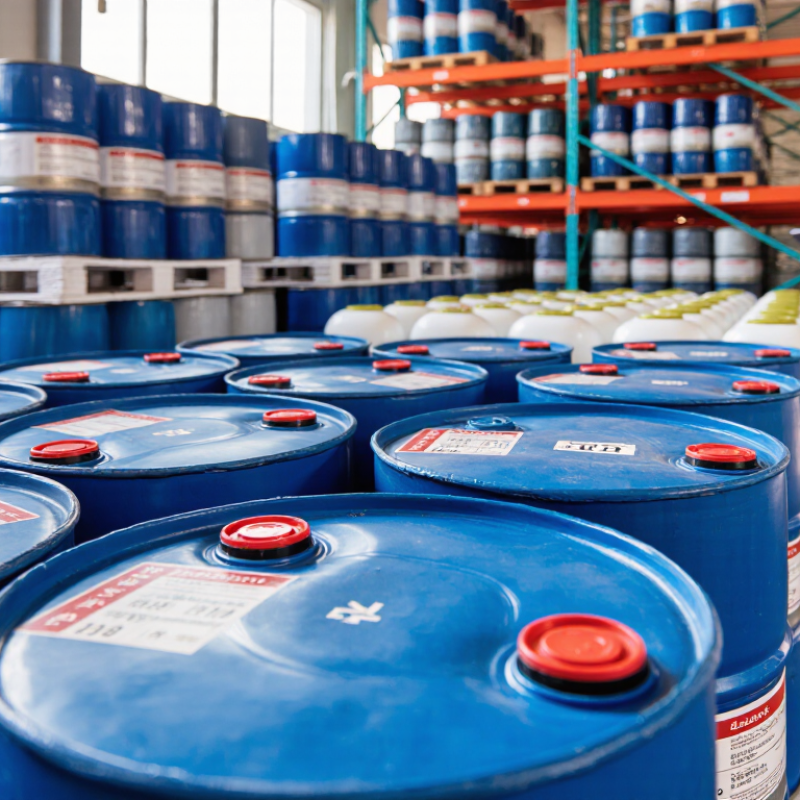
This guide examines manufacturers through practical purchasing questions: formulation consistency, batch documentation, technical support, packaging, and export experience. Buyers should request current specifications, a certificate of analysis, and clear information about active-ingredient concentration. Check that the product’s approved uses and label directions fit the intended market. A low quotation can conceal costs in freight, handling, or inconsistent supply. Small details count: a legible drum label, a sealed cap, and responsive answers from a technical representative can prevent avoidable delays. Still, public data cannot verify a factory’s present quality controls, and supplier claims deserve independent checking. That is an imperfect starting point, not a reason to skip due diligence. The manufacturers discussed here should be assessed against documented evidence, buyer requirements, and the rules that apply where the product will be used.
Understanding Glyphosate Herbicides and Their Agricultural Uses
Glyphosate is a systemic, non-selective herbicide used to manage actively growing weeds in many agricultural systems. After uptake through green leaves, it moves within the plant and can affect growing points, including roots. It is not a soil sterilant. Results vary with weed species, growth stage, coverage, and weather. That distinction matters.
In fields, growers may use glyphosate before planting or between crop rows when the crop and application method allow. Contact with green crop tissue can cause injury, so application timing and spray placement require care. Rain soon after treatment, dusty leaves, or stressed weeds may reduce performance. No field responds perfectly alike; scouting after treatment helps identify survivors and possible resistance. Rotating weed-control practices and using mechanical or cultural methods can reduce reliance on one herbicide.
Tips: Identify the weed before choosing a treatment, and follow the current product label and local requirements. Use the specified protective equipment, avoid drift onto desirable plants, and keep clear records of timing and results. If control is uneven, check coverage and conditions before repeating an application. A second pass is not always the answer.
China’s Glyphosate Manufacturing Landscape
China’s glyphosate manufacturing landscape combines large-scale production with closely linked chemical supply chains. Producers source key inputs such as phosphorus-based materials and glycine or iminodiacetic acid, then manage synthesis, purification, and formulation. Capacity matters. For buyers, reliable supply depends not only on plant output, but also on feedstock access, maintenance schedules, and quality controls.
FAOSTAT’s Pesticides Use dataset reports approximately 3.70 million tonnes of pesticide use worldwide in 2022. This figure covers pesticides broadly; it is not a glyphosate-specific production or trade estimate. That distinction matters when comparing market claims. Public trade classifications also group some pesticide products together, making product-level export totals difficult to verify from customs data alone.
A practical supplier review should examine batch specifications, impurity limits, certificate consistency, and documented quality procedures. Ask how the manufacturer handles seasonal demand and interruptions in upstream supply. Check recent production records. I would not treat headline capacity as proof of dependable delivery; capacity figures can be difficult to compare, and reported data may lag actual operating conditions. A careful, document-based assessment gives buyers a clearer view of China’s diverse manufacturing base.
How Buyers Can Evaluate Chinese Glyphosate Manufacturers
Evaluating Chinese glyphosate manufacturers takes more than comparing prices. Start with the production site and its quality controls. Ask for a recent certificate of analysis for each batch, including the test method and active ingredient assay. Check whether the supplier can explain how it tracks raw materials and handles out-of-specification results. Details matter.
Request product specifications and safety documentation before discussing large orders. Compare the stated formulation, appearance, and packaging details with a representative sample. Inspect seals, labels, and container condition when the sample arrives. Ask whether batch numbers connect the product to production and testing records. A neat brochure proves little. Independent laboratory testing can help verify key claims, but agree on methods and costs in advance.
Communication is another useful measure. Ask a technical representative to clarify documentation gaps in writing, rather than relying on broad assurances. Buyers can also request references, a factory audit, or evidence of experience serving comparable markets. Ask for evidence. Review export documents and delivery records for consistency, and confirm who handles quality complaints. A spreadsheet may miss practical issues, such as slow responses or unclear sample handling. Those small frictions deserve attention before a purchase commitment.
China Best Glyphosate Herbicide Manufacturers for Buyers - How Buyers Can Evaluate Chinese Glyphosate Manufacturers
Use this due-diligence checklist to compare suppliers. Requirements depend on the product formulation and destination market; verify claims against current documents and independent sources.
| Evaluation Dimension | What Buyers Should Check | Evidence to Request | Questions to Ask | Buyer Assessment |
|---|---|---|---|---|
| Product identity and specification | Confirm whether the offer is glyphosate technical material or a formulated product. Compare active ingredient, formulation type, physical properties, and agreed specification. | Current product specification, product label, and a batch-specific certificate of analysis (COA). | Does the stated concentration refer to glyphosate acid equivalent or to a glyphosate salt? Are all units and test methods clearly identified? | Match the specification to the intended use and destination-market requirements; clarify any difference before ordering. |
| Registration and market access | Check whether the exact product and formulation are authorized for the intended market. Pesticide registrations and permitted uses differ by country and can change. | Applicable registration details, approved label, authorization holder information, and supporting documents required by the importing authority. | Is this exact formulation registered for the destination country and proposed use? Who is responsible for local registration and label compliance? | Verify status with the relevant national regulator or its official public database; do not rely on a registration claim alone. |
| Quality control and batch consistency | Assess whether the supplier has documented procedures for sampling, testing, batch release, and handling nonconforming product. | Recent batch COAs, test-method references, quality-control procedures, and, where appropriate, independent laboratory results. | Can the supplier provide a representative sample and a COA tied to the production batch shipped? | Compare independent test results with the contract specification and the supplier’s COA. |
| Manufacturing capability | Establish whether the supplier manufactures the product, formulates it, or trades it. Confirm that the production site and process are suitable for the offered product. | Production-site details, process overview, site audit information, and documentation showing the supplier’s role in production. | Which site will produce or formulate the order? Are subcontractors involved, and will any changes be disclosed? | Assess the actual production source and traceability rather than relying solely on a supplier’s stated capacity. |
| Safety and regulatory documentation | Review hazard classification, handling precautions, first-aid measures, and transport information for the specific product and concentration. | Current Safety Data Sheet (SDS), product label, and transport classification information applicable to the shipment. | Are the SDS and label consistent with the offered formulation and the destination’s language and regulatory requirements? | Have qualified personnel review current documents; classification and transport requirements can depend on the formulation and jurisdiction. |
| Certifications and audit scope | Check whether claimed management-system certifications are valid and cover the relevant legal entity and production site. Certification does not by itself prove product performance or regulatory approval. | Certificate number, issuing certification body, validity dates, covered site, and scope; verify these with the issuer where possible. | Does the certificate cover the facility and activities involved in this order, and is it currently valid? | Record the certificate’s verified scope and expiry date; treat unsupported certification claims as unverified. |
| Export documents and traceability | Confirm that the supplier can prepare documents required for the specific transaction and identify the product and batch consistently across records. | Draft commercial invoice, packing list, certificate of origin where applicable, shipping documents, and batch or lot records. | Can the supplier provide draft documents for review before shipment and trace each package to its production batch? | Check document names, product description, quantity, and batch references against the contract and import requirements. |
| Packaging and transport readiness | Confirm packaging material, container size, closure, labeling, palletization, and compatibility with the product and planned transport route. | Packaging specification, label artwork, loading plan, and shipment photos or inspection records when available. | Does the packaging meet destination-market rules and the buyer’s handling requirements? How will damage or leakage be addressed? | Approve packaging and labels before production or dispatch; align shipment terms and inspection arrangements in the contract. |
| Commercial terms and after-sales support | Compare quotation validity, minimum order quantity, lead time, payment terms, delivery terms, claims procedure, and replacement or refund provisions. | Written quotation, sales contract, agreed specification, delivery schedule, and documented claims process. | How are specification disputes, delayed shipments, and quality claims handled? Which Incoterms rule and named place apply? | Put measurable acceptance criteria, inspection rights, deadlines, and remedies in the written contract. |
Product Quality, Registration, and Export Compliance
China Best Glyphosate Herbicide Manufacturers for Buyers
Product Quality, Registration, and Export Compliance
Buyers evaluating Chinese glyphosate manufacturers should check product quality, destination-country registration, and export documentation together. Request a batch-specific certificate of analysis showing active ingredient content and relevant formulation properties. Compare results with the applicable FAO/WHO pesticide specification and confirm that testing methods are documented. An independent laboratory accredited to ISO/IEC 17025 can provide useful verification. A polished certificate is not the same as a consistent shipment.
Registration matters. FAOSTAT recorded 3.70 million tonnes of agricultural pesticide use worldwide in 2022; this broad figure is not glyphosate-specific. It underscores the importance of clear product identification and traceable records. Ask suppliers for the registration details required by the importing market, current safety data sheets, compliant labels, batch numbers, and consistent commercial invoices. Requirements differ by destination, so buyers should verify them with the relevant authorities or a qualified local compliance professional. Small document mismatches can delay cargo.
Tips: Match the product name, formulation, concentration, and batch number across every document. Keep samples and test records for follow-up. If a specification is unclear, pause and ask for clarification before shipment.
Sourcing and Supplier Verification for International Buyers
Choosing a glyphosate herbicide supplier requires more than comparing quoted prices. Ask for the manufacturer’s legal business details, production-site address, and export experience. Then check whether those details match invoices, certificates, and shipping documents. Details matter. Request a current safety data sheet, product specification, and batch-specific certificate of analysis. Confirm that the certificate identifies the same formulation and batch number shown on the packaging. Ask for evidence. A clear answer should include document dates, issuing laboratories, and a way to verify authenticity.
Supplier verification should also cover quality systems and destination-market requirements. Confirm that the product is registered or otherwise authorized for sale in the intended market, and verify import documentation with the relevant local authorities. Where practical, use an independent laboratory to test a retained sample against agreed specifications. Inspect packaging photos for readable labels, intact seals, and consistent batch markings before shipment. A video call from the production or packing site can help, but it is not a substitute for records. Paperwork can look perfect. That is why buyers should compare documents across sources and keep a written record of questions, answers, and agreed product specifications. Some checks take time; rushing them is an avoidable risk.
China Best Glyphosate Herbicide Manufacturers for Buyers – Sourcing and Supplier Verification for International Buyers
EU active-substance approval was renewed for five years in 2017 and for ten years in 2023, through 15 December 2033. This regulatory timeline is not a supplier-quality rating or a guarantee that a particular product is authorized in every market. Buyers should independently verify the supplier’s pesticide registrations, product-specific authorizations, certificates of analysis, and export documentation for the destination country.
Sources: European Commission, glyphosate renewal information; Commission Implementing Regulations (EU) 2017/2324 and (EU) 2023/2660.
