China Top 10 Beverage Matcha Powder Manufacturers
China’s matcha sector serves cafés, beverage brands, and food manufacturers seeking reliable green tea ingredients. This guide introduces ten Chinese manufacturers associated with Beverage Matcha Powder. It helps buyers compare suppliers, rather than declare one universal winner. The right partner depends on recipe, order volume, budget, and quality requirements.
For beverage use, powder performance matters beyond a vivid green color. Buyers can assess aroma, particle fineness, dispersion in cold liquids, and flavor after mixing with milk or sweeteners. A sample stirred into a clear glass can reveal clumping or sediment quickly. Ask suppliers about tea-leaf sourcing, processing controls, batch consistency, packaging, and available test documents. Details matter.
Manufacturer profiles should clarify whether a company produces matcha directly or sources and repacks it. That distinction can affect traceability, lead times, and communication when specifications change. Compare export experience, minimum order quantities, customization options, and response quality. Verify claims through current documentation and product samples. Certifications and laboratory reports should match the intended market and product batch. Not every supplier publishes the same level of detail, and that gap deserves attention.
This list offers a practical starting point for shortlisting, not a substitute for supplier audits or tasting trials. Even a polished sample may not represent every production run. Results can vary. Use these comparisons to frame better questions, request clear specifications, and test powder in the actual beverage formula before placing a large order. That careful step can prevent costly surprises.
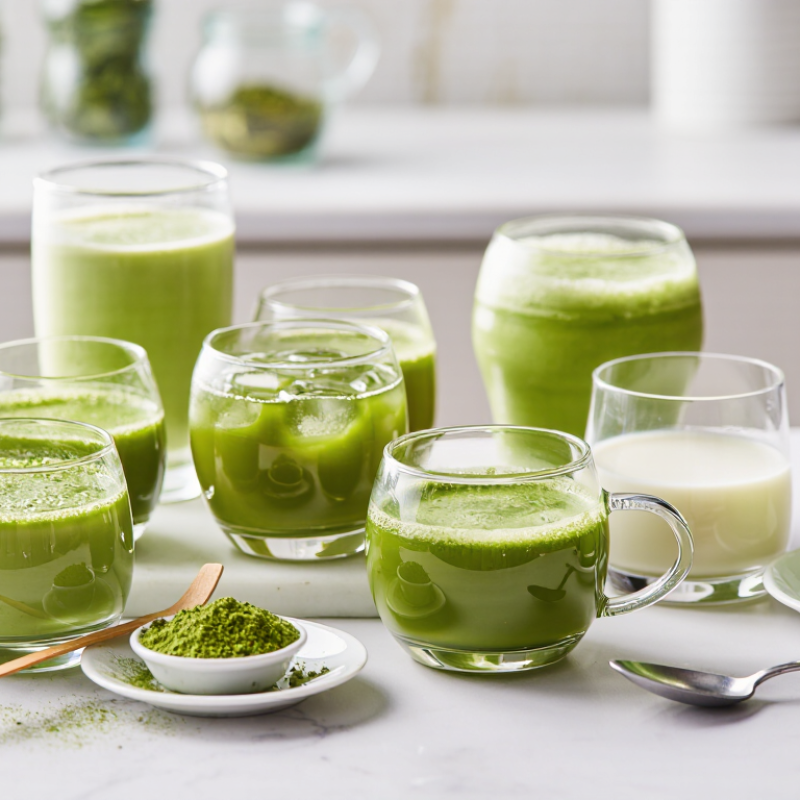
Understanding Beverage-Grade Matcha Powder and Its Uses
Beverage-grade matcha is selected for reliable performance in mixed drinks, not only for whisked tea. Color, aroma, particle size, and taste all matter. A fine, bright-green powder can disperse more smoothly, while a dull or coarse powder may leave visible flecks. The cup tells part of the story.
Matcha is used in lattes, smoothies, bottled drinks, and baked beverage mixes. In a café test, mix a small amount with cool water before adding milk or ice. This helps reveal clumping and bitterness. For larger batches, check how the powder behaves in the actual recipe; sweetness, acidity, and milk can change its flavor. There is no single formula that works everywhere.
Buyers should review origin details, harvest information, storage guidance, and test results where available. Grade labels can vary between suppliers, so they are not enough on their own. Ask for a sample and compare its color, aroma, and dispersion under consistent conditions. A slightly grassy note may suit one drink, but overpower another. That judgment is imperfect, and worth revisiting after the recipe changes.
How China’s Matcha Manufacturing Industry Is Organized
China’s matcha manufacturing industry is organized across several linked stages, rather than around a single type of factory. Tea gardens supply leaves, while processors produce tencha, the shaded, steamed, dried leaf used for matcha. Milling facilities then turn it into fine powder. Some businesses manage several stages; others specialize in one. This structure can affect traceability, lead times, and consistency.
For beverage applications, buyers should look beyond color. Particle size, flavor, solubility, moisture, and microbial test results all matter. A bright green powder may look appealing but still taste grassy or settle quickly in a cold drink. Manufacturers may adjust leaf selection and milling methods for different recipes. Specifications can vary between suppliers, so a sample should be tested in the intended beverage, not just tasted dry. That detail is easy to miss. Production batches can also differ with harvest conditions, and quality control cannot erase every variation.
Tips: Request a recent specification sheet, a batch-specific test report, and samples from more than one production lot. Compare them in your actual drink formula. Ask how the supplier traces raw leaves and handles storage. No checklist is perfect, but these steps make comparisons more grounded.
Criteria for Selecting China’s Top 10 Beverage Matcha Manufacturers
Choosing among China’s beverage matcha powder manufacturers requires more than comparing price sheets. Begin with the intended drink: a milk-based latte, bottled beverage, or clear tea may need different color, flavor, and dispersibility. Ask manufacturers for product specifications, origin information, and recent batch records. Clear answers are more useful than broad claims.
Quality checks should reflect real production. Request samples from multiple batches, then test them in the recipe and equipment you actually use. Note the powder’s shade, aroma, bitterness, sediment, and behavior after mixing. A small bench test can reveal clumping that a product sheet will not. Taste still matters. Ask how the manufacturer monitors moisture, particle size, and microbiological quality, and whether relevant test reports can be reviewed and verified.
Supply reliability deserves equal attention. Review production capacity, lead times, packaging options, and procedures for handling inconsistent batches. A factory visit or detailed virtual audit can help assess cleanliness, storage, and traceability, though neither guarantees every future shipment. Some criteria are difficult to score fairly; personal taste can distort a ranking. Keep written evaluation records, use consistent sample conditions, and revisit decisions after commercial-scale trials.
China Beverage Matcha Manufacturer Selection Criteria
Suggested evaluation weights for comparing suppliers—not measured scores or rankings of specific manufacturers.
Assess food-safety and quality systems, matcha specifications, testing documentation, production capacity, traceability, and export readiness. Adjust the weights to fit your product and sourcing requirements.
Profiles of 10 Leading Chinese Beverage Matcha Powder Manufacturers
A useful profile of a Chinese beverage matcha powder manufacturer starts with the leaf, not the brochure. It should explain where tea is grown, how leaves are shaded, and how steaming, drying, and milling are managed. These steps affect color, aroma, bitterness, and how evenly powder disperses in drinks. Small details matter. Buyers can also check whether the producer offers food-safety documentation, batch records, and clear specifications for particle size and moisture.
Across ten manufacturer profiles, the differences are often operational. Some producers emphasize control from tea gardens to finished powder. Others focus on processing capacity, custom blends, export experience, or formats suited to cafés and beverage factories. A profile should describe these strengths without treating them as guarantees. Ask for a recent sample, a product specification sheet, and a batch-linked test report. Then compare the powder in the same recipe, such as a chilled latte, where clumping and color are easy to notice.
A supplier’s stated capacity may not reflect the consistency of every production run. That deserves scrutiny. Profiles are most useful when they distinguish verified details from promotional claims and identify unanswered questions. Buyers should confirm lead times, minimum order quantities, storage guidance, and how changes in harvest affect flavor. No single profile can replace a direct quality review, and even a careful comparison has limits.
Comparing Quality Standards, Production Capacity, and Export Services
When comparing China’s top 10 beverage matcha powder manufacturers, look beyond bright color and a fine-looking sample. Ask how each supplier controls leaf sourcing, milling temperature, particle size, moisture, and batch consistency. Request recent test reports and a clear explanation of sampling methods. Quality claims are useful, but traceable records are stronger. A polished sample can still differ from a bulk order.
Tips: Compare the same grade and pack size across suppliers. Ask for a production lead time, monthly capacity, and peak-season estimate. Confirm export documents, outer-carton protection, and whether packaging can withstand humidity during transit. Samples can mislead.
Production capacity should match your forecast without forcing oversized orders. Check whether the quoted output is dedicated to beverage-grade powder, and ask how delays are communicated. Export service also matters: clear specifications, responsive document handling, and consistent shipment updates reduce avoidable friction. One weakness in many comparisons is treating certifications as proof of every quality attribute; they are not. Verify the details relevant to your product, and keep a retained sample from each approved batch.
