How to Choose the Best Suction Hopper for Your Needs?
Choosing the right Suction Hopper is crucial for efficient material handling in various industries. Many factors influence this decision, including size, capacity, and functionality. A well-selected Suction Hopper can significantly improve workflow and productivity.
Consider the specific requirements of your operation. Each manufacturing process varies, and the choice of a Suction Hopper should reflect those differences. Understanding how materials behave during the transfer process is essential. This knowledge guides you in selecting a design that prevents clogging and maximizes efficiency.
Many users overlook maintenance needs. Regular upkeep ensures longevity and optimal performance. Assessing the reliability and support of suppliers is also vital. Choose reputable brands known for quality and service. This decision impacts your operational success and safety. The right Suction Hopper is not merely a tool; it is an investment in your productivity.
Understanding Suction Hoppers: Definition and Purpose
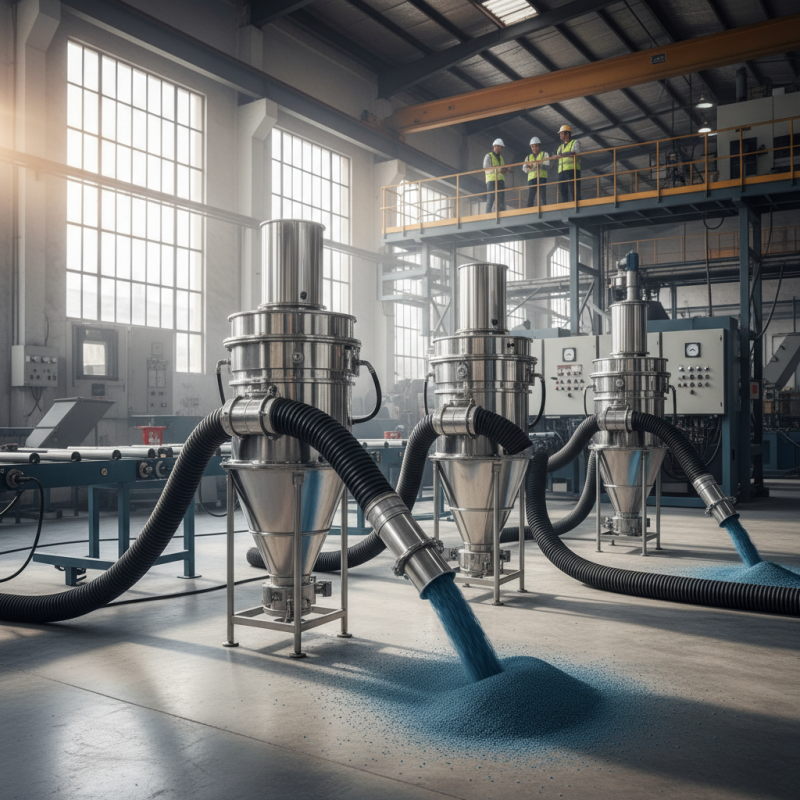
Suction hoppers are essential in various industries, primarily for handling bulk materials. They efficiently collect and transfer materials like granules, powders, and even liquids. According to market reports, the suction hopper market has shown a steady growth rate of approximately 6.5% per year, indicating the increasing reliance on such equipment in manufacturing. Understanding their design and purpose can significantly streamline operations.
These devices work by creating a vacuum, drawing materials into a container for easy transport. They differ in size and configuration, tailored to specific needs. For instance, a small suction hopper can handle lightweight materials, while larger models are designed for heavy-duty applications. Industry data reveals that choosing the wrong type can lead to decreased efficiency or increased operational costs. This highlights the importance of analyzing your requirements before making a purchase.
Despite their benefits, suction hoppers may present challenges. They can become clogged if not properly maintained. Regular cleaning and inspection are vital to ensure optimal performance. Additionally, some users might overlook the significance of airflow settings, impacting the material transfer process. Understanding these nuances can provide insights into improving operational reliability and effectiveness.
Key Features to Consider When Selecting a Suction Hopper
When selecting a suction hopper, consider several key features that align with your specific needs. One crucial aspect is the hopper's capacity. Suction hoppers come in various sizes. Choosing one that can effectively handle the volume of material without frequent interruptions is essential. According to industry reports, a suction hopper with a larger capacity can decrease downtime by up to 20% in production environments.
Another important feature is the efficiency of the suction system. An efficient suction mechanism improves material transport and reduces energy consumption. Data indicates that hoppers equipped with modern, high-efficiency suction systems can lead to a 30% reduction in operational costs. Look for specifications that highlight the suction power, as well as the type of materials the hopper can effectively handle.
Lastly, consider the maintenance requirements of the suction hopper. Regular maintenance is vital for long-term performance. Hoppers that are easy to disassemble and clean can save time and labor costs over the long run. Review user feedback for insights on any common issues. This can provide a clearer picture of what to expect and inform your decision. Balancing these features will help you secure a suction hopper tailored to your operational needs.
Types of Suction Hoppers and Their Applications
When considering suction hoppers, it's important to explore various types and their applications. Standard suction hoppers are widely used in construction. They collect debris and materials efficiently. These hoppers can handle both solid and liquid waste. However, they may not work well in very tight spaces.
Specialized suction hoppers exist for specific industries. For example, food processing facilities often use sanitary hoppers. They prevent contamination and ensure hygiene. These hoppers are designed for easy cleaning. Yet, they can be pricier compared to standard models.
Another type is the portable suction hopper. These are ideal for smaller jobs or limited areas. They are lightweight and easy to maneuver. However, their capacity might not meet larger project demands. Users might find it challenging to balance portability and power. Evaluating your needs carefully can help avoid common pitfalls. Choose a suction hopper that not only fits your immediate task but also accommodates future projects.
Assessing Your Specific Needs for a Suction Hopper
When selecting a suction hopper, it's crucial to assess your specific needs thoroughly. Consider the materials you'll be handling. Is it dry bulk or wet materials? Understanding the type of material impacts the design and functionality required. Additionally, the volume of material often dictates the size and power of the hopper. A larger operation may require a more robust system compared to a small-scale one.
Tips: Determine the flow rate needed for your operations. This ensures efficiency while avoiding bottlenecks. Installing a hopper that can accommodate your peak capacity is essential, but be wary of overestimating your needs. It can lead to unnecessary expenses and space usage.
The operating environment also plays a significant role. Is the area subject to dust, moisture, or extreme temperatures? A suitable suction hopper should be resistant to these conditions. Evaluate how the hopper integrates with existing equipment. Communication between systems can enhance overall productivity. However, some setups may need adjustments, and not all combinations work perfectly. Be prepared for trial and error as you find the best fit for your operations.
Budget Considerations and Cost vs. Quality Analysis
When selecting a suction hopper, budget is a key factor. An industry report from the Material Handling Institute shows that operational costs can consume over 30% of your budget in material handling. This highlights the importance of considering both cost and quality. Cheap options may lure you in, but poor performance can lead to higher operational costs in the long run.
Quality influences efficiency directly. A high-quality suction hopper can improve productivity by up to 25%, according to research by the Institute of Logistics and Transport. Investing in a reliable unit may seem expensive initially, but it could result in significant savings over time. Maintenance expenses can rise if you choose lower-quality models. Sometimes, the lure of a low upfront cost leads to regret when hoppers break down or underperform.
Balancing cost against quality is complex. A more expensive model may offer better durability and efficiency, yet financial pressures may limit your choice. It’s crucial to gather data on the total cost of ownership, not just the initial price tag. Think about lifespan, maintenance, and operational efficiency. A thorough analysis could reveal surprising insights and impact your long-term budget.
