What is a Folding Carton and How is it Used in Packaging Today
Folding cartons are an integral component of modern packaging solutions, playing a pivotal role in the presentation and protection of a wide variety of products. According to the Freedonia Group, the global folding carton market is projected to reach approximately $200 billion by 2026, driven by increasing consumer demand for sustainable and environmentally friendly packaging materials. This surge in popularity highlights the versatility of folding cartons, which can be customized to enhance product visibility while maintaining functionality and convenience.
The adaptability of folding cartons extends to various industries, including food and beverage, pharmaceuticals, and personal care. A report from Smithers Pira indicates that the demand for folding cartons in the food sector will continue to grow, with an expected annual increase of up to 4.5% over the next five years. This trend underscores the significance of folding cartons not only as packaging vessels but also as tools for marketing and brand differentiation. As industries shift towards eco-conscious practices, folding cartons made from recyclable materials are increasingly favored, further solidifying their role in sustainable packaging initiatives. Thus, understanding the mechanics and uses of folding cartons is essential for businesses looking to stay competitive in today's dynamic marketplace.

Definition and Characteristics of Folding Cartons
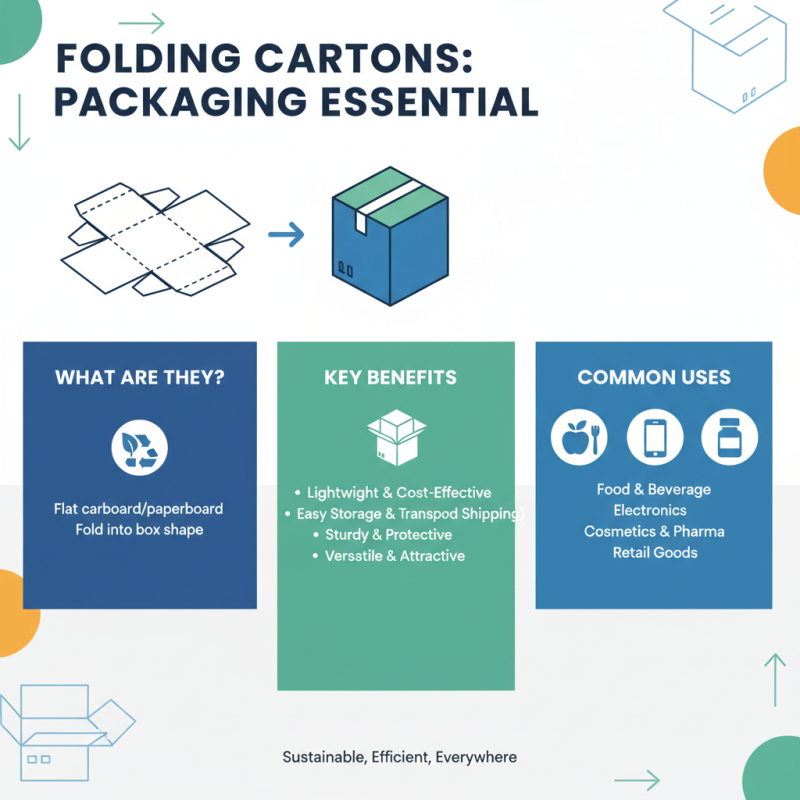
Folding cartons are a pivotal component in the packaging industry, defined as a type of paperboard box that is flat and can be folded into shape once filled with products. Typically manufactured from materials such as cardboard or paperboard, these cartons offer distinct advantages in terms of lightweight and cost-effectiveness. Their design allows for easy storage and transportation, significantly reducing shipping costs. Once folded and sealed, they provide a sturdy structure that ensures product safety while maintaining an aesthetic appeal, making them suitable for various goods ranging from food items to electronics.
The characteristics of folding cartons contribute to their popularity in packaging applications. They can be customized in numerous sizes, shapes, and printing styles, allowing brands to showcase their products effectively. Moreover, folding cartons are often recyclable, aligning with the growing demand for sustainable packaging solutions. Their ability to be easily printed upon means brands can incorporate vibrant graphics and essential information directly onto the packaging, enhancing visibility on store shelves. The versatility and practicality of folding cartons make them an integral part of modern packaging strategies, catering to both consumer needs and environmental considerations in today's market.
Types of Materials Used in Folding Carton Manufacturing
Folding cartons are a popular choice in packaging due to their versatility and efficiency. The materials used in their manufacturing play a crucial role in their performance and suitability for various products. Commonly, folding cartons are made from paperboard, which offers an excellent balance of strength and lightweight characteristics. This material is not only eco-friendly but also easily recyclable, making it an appealing option for environmentally conscious brands.
In addition to traditional paperboard, manufacturers may also use materials like corrugated fiberboard for added durability. This type of material is ideal for items that require extra protection during transportation. Furthermore, some folding cartons incorporate coatings or finishes, such as gloss or matte lamination, to enhance visual appeal and provide additional resistance to moisture and scratches. The choice of materials ultimately affects the carton’s functionality, appearance, and sustainability, allowing for a wide range of packaging solutions tailored to specific market needs.
Applications of Folding Cartons in Various Industries
Folding cartons have become an essential component of packaging across various industries due to their versatility and cost-effectiveness. In the food and beverage sector, for instance, folding cartons are widely utilized for packaging items like snacks, cereals, and beverages. They provide not just protection during transit but also serve as an attractive marketing medium with printed graphics that entice consumers. In healthcare, folding cartons are crucial for packaging pharmaceuticals, ensuring product safety and adherence to regulations while offering easy access for consumers.
In the cosmetics industry, folding cartons are an ideal choice, as they can be customized in size, shape, and finish to enhance brand appeal. Luxury beauty brands often utilize high-quality materials and intricate designs to create packaging that conveys a sense of value and sophistication. Furthermore, in electronics, these cartons provide necessary durability and cushioning, safeguarding delicate components during shipping and handling.
Tips: When selecting folding cartons for your products, consider the material thickness and quality to ensure they meet the protective needs of your items. Additionally, explore eco-friendly options that appeal to environmentally conscious consumers, enhancing your brand's appeal while contributing to sustainability. Lastly, don't overlook the power of design; well-designed packaging can significantly increase your product's visibility and attractiveness on the shelves.
Advantages of Using Folding Cartons for Packaging
Folding cartons have become increasingly popular in the packaging industry due to their numerous advantages. One of the key benefits of using folding cartons is their versatility. They can be designed in various shapes and sizes to accommodate different products, making them suitable for a wide array of industries, including food and beverage, cosmetics, and pharmaceuticals. This adaptability allows brands to create eye-catching packaging that effectively communicates their product's identity while also ensuring product protection during storage and transport.
Another significant advantage of folding cartons is their eco-friendliness. Made primarily from renewable resources such as paperboard, these cartons can be easily recycled or reused, aligning with the growing consumer demand for sustainable packaging solutions. Additionally, folding cartons generally require less material than rigid packaging, minimizing waste and reducing the environmental footprint of packaging processes. Manufacturers can also use eco-conscious inks and coatings, further enhancing the sustainability of their packaging.
Moreover, folding cartons offer enhanced printing capabilities, allowing for high-quality graphics and vibrant colors that attract consumers' attention. This feature enables brands to engage customers and differentiate their products on the shelf. With the potential for innovative designs, such as die-cuts and finishes, folding cartons not only serve a practical purpose but also elevate the aesthetic appeal, making them a preferred choice for businesses looking to make a lasting impression.
Future Trends in Folding Carton Design and Usage
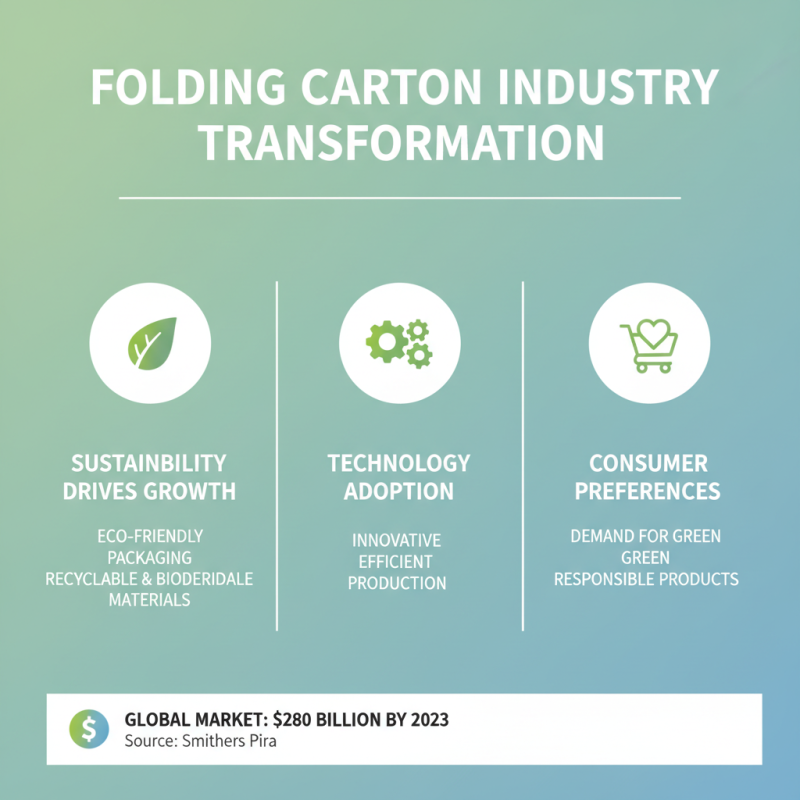
The folding carton industry is witnessing a transformative shift driven by sustainability, technology, and consumer preferences. According to a report by Smithers Pira, the global folding carton market is expected to reach around $280 billion by 2023, fueled by the increasing demand for eco-friendly packaging solutions. This trend is prompting manufacturers to adopt materials that are recyclable and biodegradable, aligning with the growing consumer demand for environmentally responsible products.
In terms of design, innovation is leading to creative solutions that enhance both functionality and aesthetics. The use of smart technologies in folding cartons, such as QR codes and augmented reality, is becoming more prevalent, allowing brands to engage consumers in new ways and provide additional product information at the point of purchase. A recent study suggests that 72% of consumers are more likely to purchase a product that offers seamless digital interaction through its packaging, highlighting the importance of integrating technology into design.
**Tips:** When considering folding carton packaging, prioritize sustainable materials that reflect your brand values while appealing to eco-conscious consumers. Additionally, explore creative designs incorporating interactive elements to enhance customer engagement and drive sales. Keep an eye on emerging technologies as they can revolutionize standard packaging practices and offer innovative solutions that set your product apart in a competitive market.