What is a Stand Up Box Pouch and Its Benefits for Packaging
The packaging industry is evolving rapidly. One innovative solution gaining traction is the stand up box pouch. This design offers both functionality and aesthetic appeal. According to a recent industry report, the flexible packaging market is projected to reach $300 billion by 2025. This growth is driven by the demand for convenience, sustainability, and product visibility.
Stand up box pouches stand out for their versatility. They can hold a variety of products, from snacks to liquids. Their ability to maintain freshness while offering visibility is crucial. In fact, a study revealed that 70% of consumers prefer products with attractive packaging. However, despite these benefits, some brands hesitate to adopt this format. Concerns about production costs and sustainability remain.
The reality is that stand up box pouches can enhance branding and shelf appeal. Their lightweight design can reduce shipping costs as well. Yet, brands must consider the environmental impact of their packaging choices. Continuous improvement and adaptation are necessary in this competitive market. The potential for innovation within the stand up box pouch category is significant.
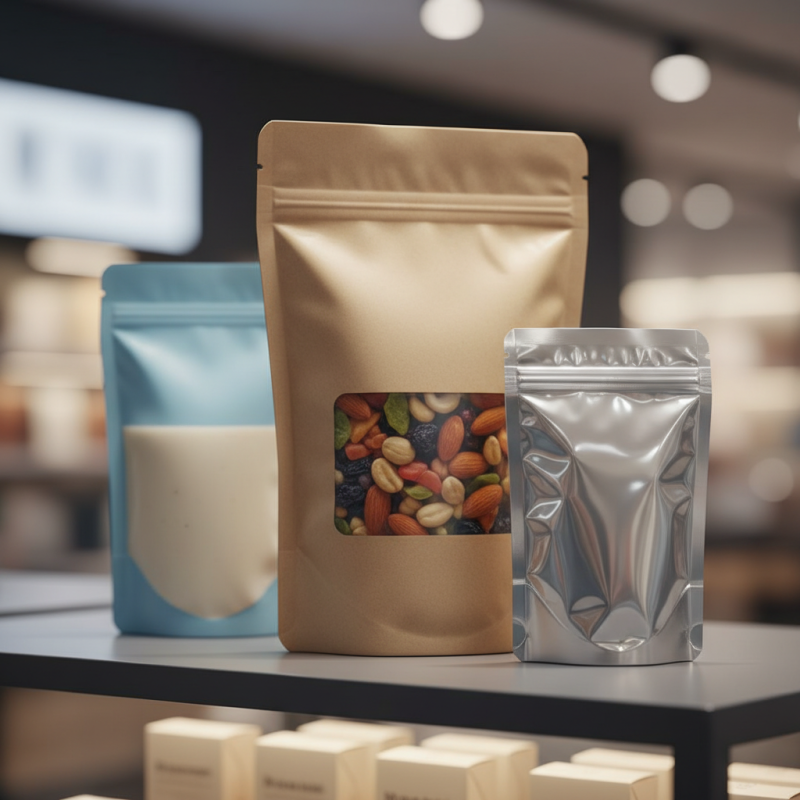
What is a Stand Up Box Pouch?
A stand up box pouch is a versatile packaging solution gaining traction in various industries. This pouch stands upright, making it ideal for shelf display. It captures consumer attention. The design is not only practical but also efficient. Many brands are shifting to this format because it saves space and materials.
According to recent industry reports, the global flexible packaging market is expected to reach $300 billion by 2025. The stand up box pouch plays a significant role in this growth. These pouches often use eco-friendly materials, appealing to conscious consumers. This packaging reduces waste and allows for easy disposal. Many consumers prefer products with minimal environmental impact.
However, the transition to stand up box pouches isn’t without challenges. Brands must ensure the product's integrity is maintained. A poorly sealed pouch can lead to spoilage. Additionally, consumers can find the design unappealing if not executed well. The balance between aesthetics and functionality is crucial. Brands need to continuously innovate and gather feedback.
Benefits of Stand Up Box Pouches for Packaging
Key Features of Stand Up Box Pouches
Stand Up Box Pouches are versatile packaging solutions. They combine function and aesthetics, making products stand out on shelves. These pouches feature a bottom gusset, allowing them to stand upright. This design maximizes visibility, attracting consumer attention.
One key feature is the resealable closure. Customers appreciate easy access and freshness. This is especially important for food items. The flexible material used in these pouches also provides excellent barrier properties. It keeps moisture and light away, preserving product quality.
However, while their design is engaging, not all brands use them effectively. Some pouches may lack sufficient strength. That's a concern for heavier products. Additionally, the environmental impact of these pouches is a topic worth discussing. Brands must consider sustainability in their packaging choices.
Advantages of Using Stand Up Box Pouches for Packaging
Stand up box pouches are becoming popular in packaging. They offer numerous benefits that can enhance product visibility and durability. One major advantage is their self-supported design. This allows for easy shelf placement and stable standing, which attracts more consumers. The packaging’s visibility can significantly influence purchasing decisions.
Another benefit is flexibility. Stand up pouches come in various sizes and materials. This adaptability allows businesses to package diverse products, from snacks to liquids. These pouches also weigh less than traditional boxes, which can lower shipping costs. However, some businesses may struggle with finding the right material for specific products.
Tips: Choose the right size for your pouch. It can make a big difference in presentation. Always test the material before full-scale production. This step can help avoid costly mistakes. Overall, investing in stand up box pouches is a step forward for improving packaging efficiency.
What is a Stand Up Box Pouch and Its Benefits for Packaging
| Feature | Description | Benefits |
| Stand Up Design | Allows the pouch to stand upright on shelves, enhancing visibility. | Increased shelf appeal and better display space efficiency. |
| Material Variety | Options for materials like plastic, foil, and biodegradable options. | Customizable to meet product needs and environmental standards. |
| Zipper Closure | Resealable feature for convenience and freshness. | Extended shelf life and reduced product waste. |
| Graphic Printing | High-quality printing options for branding and information. | Effective marketing tool that communicates product value. |
| Cost-Effectiveness | Generally lower manufacturing costs compared to rigid packaging. | Saves on production and shipping expenses, improving margins. |
| Lightweight | Lower weight compared to glass or metal containers. | Reduced shipping costs and easier handling during transportation. |
Applications of Stand Up Box Pouches in Various Industries
Stand Up Box Pouches are gaining traction across diverse industries. They are practical for packaging food, cosmetics, and household products. This format allows for efficient shelf display and space-saving storage, which is crucial for manufacturers seeking an edge in a competitive market. According to a recent industry report, the flexible packaging market is projected to reach $300 billion by 2025, with Stand Up Pouches capturing a significant share due to their convenience and sustainability.
In the food and beverage sector, these pouches offer airtight sealing, preserving freshness. A study revealed that 70% of consumers prefer packaging that keeps products secure. Additionally, they are lightweight and reduce shipping costs. This aspect is particularly beneficial in e-commerce, where reducing freight costs is essential for profit. However, one must consider the environmental impact. Recycling options for these materials are still developing. There is a growing need for innovation in biodegradable alternatives.
Industries such as personal care are also embracing Stand Up Box Pouches. The visual appeal of these pouches attracts consumers. They can be customized with vibrant designs, enhancing marketing efforts. Yet, some producers face challenges in ensuring print quality on these flexible materials. As the market evolves, continued research and development will be needed. The balance between functionality and environmental responsibility remains a complex issue.
Environmental Considerations of Stand Up Box Pouch Packaging
The rise of Stand Up Box Pouches as a packaging solution is noteworthy, especially regarding environmental impact. These pouches are made from flexible materials and are designed to stand upright. They use significantly less material than traditional rigid packaging. According to a report by the Flexible Packaging Association, switching to flexible packaging can reduce the carbon footprint by approximately 35%.
While these pouches offer many ecological advantages, there are challenges to consider. Recycling facilities often struggle with the materials used in Stand Up Box Pouches. Many users may not know how to properly dispose of them. This knowledge gap leads to increased waste. A study by the EPA highlighted that flexible packaging materials accounted for around 15% of landfill waste in recent years, indicating a need for better waste management education.
Furthermore, companies must balance sustainability with product protection. Stand Up Box Pouches provide effective barrier properties against moisture and oxygen, but some pouches are still not biodegradable. Consumers demand eco-friendly options, and rightly so. However, industry standards for recyclability remain inconsistent. As brands embrace these pouches, rethinking their lifecycle is essential. It is crucial to address these concerns to enhance their environmental benefits.
