10 Tips to Choose Premium Ceremonial Matcha
Choosing Premium Ceremonial Matcha requires more than trusting a bright green label. Quality begins with evidence: the growing region, harvest season, cultivar, shading method, and milling process should be clearly stated. Japanese regions such as Uji, Nishio, and Yame have strong reputations, but origin alone does not guarantee excellence. Every batch deserves inspection.
Tea scholar and author Okakura Kakuzō wrote, “Tea is a religion of the art of life.” His words explain why matcha selection involves both knowledge and experience. A skilled buyer examines the powder’s color, aroma, texture, and preparation behavior. Premium Ceremonial Matcha should look vivid rather than dull, smell fresh rather than grassy or stale, and feel exceptionally fine between the fingers. When whisked, it should create a smooth foam and a balanced taste, with gentle umami instead of harsh bitterness.
Details matter. Check whether the tin protects the powder from light, air, heat, and moisture. Look for a recent packing date, transparent sourcing information, and credible quality testing. A trusted producer should explain how the tea was produced, not hide behind decorative language. Avoid products making extreme health promises. Those claims often weaken credibility.
Taste remains personal. Even careful buyers can misjudge a matcha after one hurried sip. Water temperature, dosage, and whisking technique change the result. That is why these ten tips focus on practical comparison, reliable labeling, and sensory judgment. Some recommendations may feel strict. They are not perfect rules. They are useful questions for finding a cleaner, fresher, and more authentic cup.
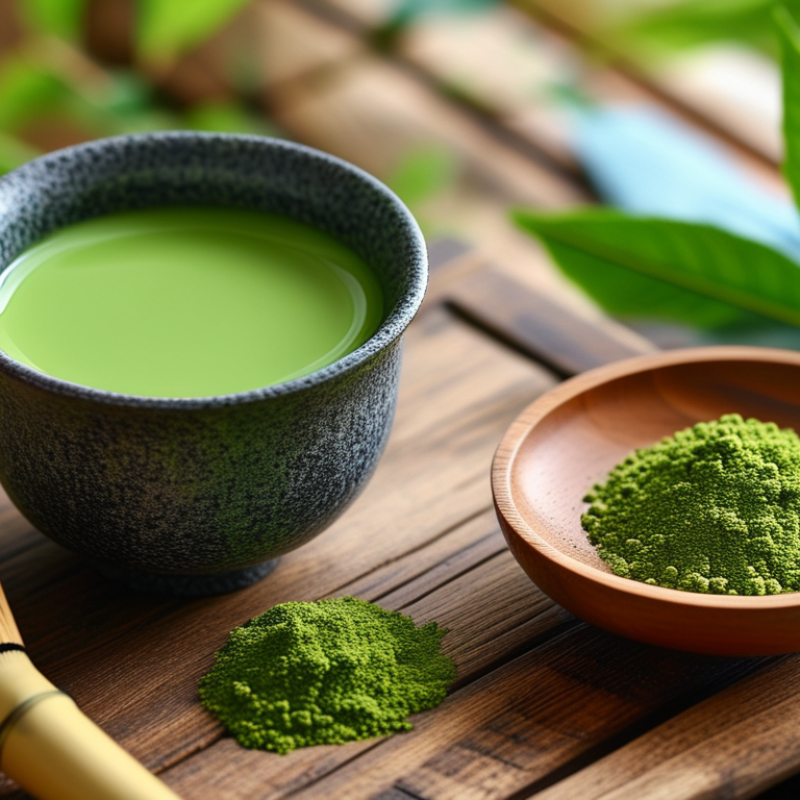
Verify Origin and 20–30 Days of Pre-Harvest Shading
Choosing premium ceremonial matcha begins with its origin, not its tin or bright color. Ask where the leaves were grown, harvested, and milled. A trustworthy producer should identify the region, harvest season, cultivar, and processing method. Vague phrases such as “traditional quality” prove little. Look for batch records, a traceable farm address, and a recent laboratory report. Reliable testing should show the lot number, test date, and tested categories. This is not glamorous work. It is useful.
The subtitle’s key detail is 20–30 days of pre-harvest shading. Growers cover the tea plants before picking, reducing direct sunlight. This may encourage deeper green color, fuller umami, and less harsh bitterness. The result depends on cultivar, weather, shade material, and leaf maturity. Ask whether shading lasted 20, 25, or 30 days. A clear producer should explain the schedule and harvest date. I prefer powder with a fresh green aroma and a smooth finish. Still, color can mislead. I once rated a vivid sample too highly, then noticed a flat taste and lingering astringency. That mistake remains useful. Whisk one gram with warm water around 70–80°C before judging its texture, aroma, and aftertaste. Milk and sugar can hide flaws.
Assess First-Flush Tencha Through Color, Aroma, and L-Theanine Data
Premium ceremonial matcha begins with first-flush tencha, but “ceremonial” is not a globally regulated grade. I inspect the powder under daylight. A vivid, blue-green tone suggests strong chlorophyll retention, while dull olive or yellow-green may indicate oxidation, age, or poor storage. Color alone can mislead. Recent Japanese Ministry of Agriculture, Forestry and Fisheries statistics show growing tencha production, yet increased supply does not guarantee careful cultivation or milling. Look closely.
A fresh bowl should smell like steamed greens, young peas, and mild sea air. Harsh hay, smoke, or cardboard notes deserve caution. Peer-reviewed composition surveys, including reports in Food Chemistry, commonly place L-theanine in green tea within a broad range of roughly 10–30 mg per gram, depending on cultivar, shading, harvest timing, and processing. First-flush, shaded leaves often retain more theanine because shading alters nitrogen metabolism. Ask for a laboratory result, not a vague wellness claim. High L-theanine alone cannot prove superior taste. I have tasted bright powders with weak aroma, and elegant, savory samples with modest laboratory figures. That contradiction matters. A useful check combines color measurement, aroma evaluation, harvest documentation, and independent testing. Rub a pinch between dry fingers, then whisk it with warm water. Premium powder should disperse smoothly, feel creamy, and leave a clean umami finish rather than astringent bitterness. Reports guide the decision; sensory evidence still earns trust.
Inspect Stone-Milled Texture, Targeting Particles Near 10 Micrometres
Stone-milled texture is one of the clearest ways to assess premium ceremonial matcha. Aim for particles near 10 micrometres, but treat this figure as a practical target, not an official grade rule. ISO 13320:2020 recommends laser diffraction for measuring fine powders across a particle-size distribution. Ask for D10, D50, and D90 results, rather than accepting one average number. A useful D50 near 10 micrometres suggests a soft, well-dispersed powder. It does not prove quality alone. Some sellers may confuse mesh size with micrometre data. These measurements are not interchangeable.
Look closely before whisking. High-quality powder should resemble vivid green talc, with no visible flakes or coarse grit. Rub a pinch between clean fingertips. It should feel silky, not sandy. Add two grams to warm water, then whisk for fifteen seconds. The foam should form quickly and feel dense on the tongue. A 2022 review in Foods links smaller tea-powder particles with faster dispersion, although milling heat and moisture also affect performance. That caveat matters. Stone milling can create heat if production moves too quickly. Ask whether temperature was monitored. I have found that a slightly uneven texture sometimes tastes fresher than an unnaturally uniform powder. Sensory judgment still needs evidence.
Check Freshness Using Harvest Dates and Oxygen-Barrier Packaging
Premium ceremonial matcha begins with a clear harvest date. Look for the date when the tea leaves were picked, not only the packing date. Freshly processed matcha usually has a vivid green color and a clean, grassy aroma. Its flavor should feel smooth, lightly sweet, and pleasantly umami. A dull smell may signal age or poor storage. Dates help, but they are not perfect proof.
Packaging matters just as much. Choose a sealed pouch or tin with strong oxygen and light protection. Oxygen can slowly flatten matcha’s aroma and color. Light may weaken its delicate flavor. A resealable closure is useful, but it cannot repair a damaged seal. Check for loose powder around the opening, unusual swelling, or a stale scent. These small details often reveal careless handling.
I once trusted a recent packing date too quickly. The matcha looked bright, yet tasted flat after opening. Later, I learned it had probably been stored poorly before purchase. That experience changed my checklist. I now record the opening date and keep matcha sealed in a cool, dry cupboard. Refrigeration can cause condensation when the package warms, so it needs careful handling. Buy a size you can use within a reasonable period. Freshness is practical, not just printed on a label. A trustworthy seller should explain the harvest season, storage conditions, and packaging materials clearly.
Compare Safety Reports, Caffeine at 30–40 mg per Gram, and Price per Serving
10 Tips to Choose Premium Ceremonial Matcha
Tip 1: Check the safety report before judging the color or aroma. A reliable report should show the batch number, test date, laboratory name, and testing methods. Look for results covering heavy metals, pesticides, microbes, and other contaminants. A vague “lab tested” statement is not enough. Ask for the actual document.
Tip 2: Compare caffeine honestly. High-quality matcha commonly provides about 30–40 mg of caffeine per gram, but natural variation is normal. Shade-growing, harvest timing, grinding, and storage can affect the result. Treat this range as a useful reference, not a promise. A two-gram serving may therefore contain roughly 60–80 mg. Check the serving size carefully. Caffeine labels can be surprisingly unclear.
Tip 3: Calculate price per serving, not price per tin. Divide the total cost by the number of realistic servings. If a 40-gram pouch costs 32 dollars and you use two grams, each serving costs 1.60 dollars. That comparison is imperfect because personal serving sizes differ. Still, it prevents a misleading bargain.
Tip 4: Inspect freshness details. A harvest date, packing date, storage guidance, and sealed packaging show better traceability. Bright green color helps, but it does not prove safety or superior taste. I would also check whether the powder forms fine, even foam after whisking. Clumping may suggest moisture exposure. Taste matters, yet documentation should carry more weight than attractive marketing.
10 Tips to Choose Premium Ceremonial Matcha
Compare independent safety reports, confirm caffeine at approximately 30–40 mg per gram, and calculate the actual price per serving. The chart shows the caffeine range for a typical 2-gram serving: 60–80 mg. Before buying, check the harvest date, origin, color, aroma, particle fineness, packaging, storage conditions, independent testing for heavy metals and pesticides, preparation quality, and price per serving.
Reference calculation: caffeine per serving = caffeine per gram × 2 grams. Safety documentation should be verified from a current, batch-specific certificate of analysis; price per serving should be calculated as package price ÷ number of servings.
