
China Top 10 Powder Detergent Suppliers for Global Buyers
Choosing a reliable Powder Detergent supplier takes more than comparing quoted prices. Buyers need consistent cleaning performance, dependable supply, clear product documentation, and packaging suited to their markets. A sample may look fine. It still needs testing. This guide introduces ten Chinese suppliers for global buyers, focusing on manufacturing capabilities, product ranges, export experience, and communication. Company profiles and offerings can change, so treat any shortlist as a starting point, not a guarantee.
When evaluating suppliers, request current specifications, relevant safety documents, quality-control details, minimum order quantities, lead times, and sample terms. Confirm whether products suit your needs, including hand or machine washing, fragrance preferences, water hardness, and local labeling requirements. Ask for references or shipment examples when available, then verify them independently. A low price can hide added costs in freight, moisture-resistant packaging, or inconsistent product performance. Small details matter. This overview helps importers, distributors, and private-label buyers compare options through practical questions rather than broad promises. It cannot replace factory audits or product testing. Some details may be incomplete, especially when supplier information comes from public sources. Keep that in mind. Use the list to guide focused inquiries, compare evidence on equal terms, and select a partner whose quality controls and delivery commitments can be checked.
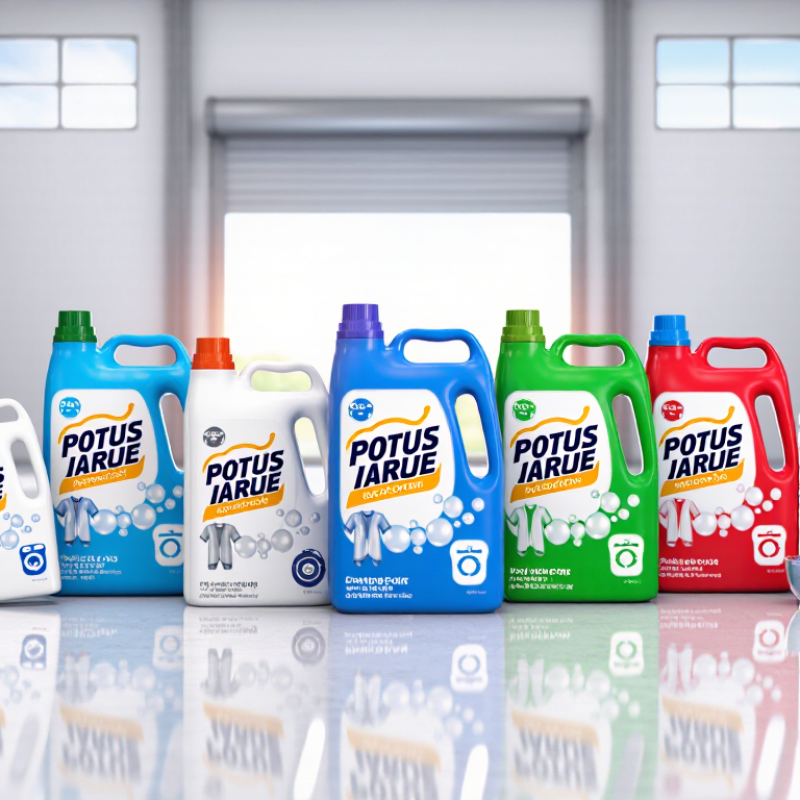
China’s Powder Detergent Supplier Landscape
China’s powder detergent supplier landscape includes large-volume manufacturers, contract producers, and smaller factories serving particular export markets. Their capabilities differ in formula development, packaging options, production capacity, and willingness to handle custom orders. Capabilities vary widely. A factory focused on retail packs may not be the best fit for bulk supply, even if its catalog looks extensive.
For buyers, product consistency matters beyond appearance. Compare powder flow, moisture control, dissolution, fragrance strength, and performance in the intended wash conditions. Ask suppliers how they check batch variation and protect finished goods from humidity during storage and transit. Request recent samples and clear specifications before discussing large orders. Ask for evidence. Packaging details matter, too: seals, bag strength, and print accuracy can affect handling after arrival.
Supplier presentations can look polished while leaving production controls or testing methods unclear. That gap deserves scrutiny. Verify company details, review available quality records, and ask who is responsible for resolving defects. A sample may perform well, yet still fail to represent routine production; buyers should consider how repeat batches are checked. No single checklist removes sourcing risk, and smaller suppliers may communicate limitations more candidly than larger ones. That can be useful, but every claim still needs practical verification.
China Top 10 Powder Detergent Suppliers for Global Buyers - China’s Powder Detergent Supplier Landscape
An anonymized buyer guide to common supplier profiles and the checks that help compare them. The categories below are not named companies or a verified ranking.
| No. | Supplier Profile | Typical Product Focus | Potential Buyer Fit | Key Checks Before Ordering |
|---|---|---|---|---|
| 1 | Large-scale household detergent manufacturer | General-purpose laundry powders in multiple pack formats | Buyers seeking established production processes and repeat orders | Factory audit, production capacity evidence, batch consistency, and export documentation |
| 2 | Private-label and contract manufacturer | Buyer-specified formulations, packaging, and label designs | Importers and retailers developing their own product lines | Formula ownership, customization limits, artwork approval, minimum order quantity, and lead time |
| 3 | Export-focused detergent supplier | Laundry powder prepared for international shipment and varied market requirements | Buyers who need export coordination and shipping-document support | Past export references, destination-market labeling rules, shipping terms, and document accuracy |
| 4 | Value-oriented bulk powder producer | Economy-grade powders and larger-volume packaging options | Wholesalers and distributors competing primarily on delivered cost | Full ingredient and performance specifications, net weight controls, sample testing, and landed-cost breakdown |
| 5 | Concentrated-formula specialist | Higher-concentration or compact-format laundry powders | Buyers evaluating smaller packs, dosage efficiency, or freight optimization | Dosage instructions, performance testing, product stability, and substantiation for concentration claims |
| 6 | Fragrance and variant-focused producer | Powders offered in different fragrance or functional variants | Retailers seeking product differentiation within a laundry-care range | Fragrance samples, allergen and ingredient disclosures, stability, and consistency between batches |
| 7 | Institutional and commercial laundry supplier | Products and pack sizes intended for higher-volume use | Hotels, laundries, facility-service providers, and commercial distributors | Use instructions, dosing compatibility, workplace safety documents, and packaging suitability |
| 8 | Specialty stain-care powder producer | Laundry powders positioned for particular wash conditions or stain-care needs | Buyers looking for a targeted product alongside general-purpose detergent | Clear test methods, claim substantiation, fabric-care guidance, and local regulatory review |
| 9 | Packaging-flexible supplier | Powder products supplied in buyer-selected bag, pouch, or carton formats where available | Importers serving different retail channels or pack-size preferences | Packaging material specifications, sealing quality, label compliance, and pack-size tolerances |
| 10 | Trading and sourcing supplier with manufacturing partners | Sourced or coordinated powder detergent products from one or more factories | Buyers needing supplier coordination or a broader sourcing service | Actual factory identity, authorization, quality-control responsibility, traceability, and contract terms |
Buyer note: Supplier capabilities, certifications, minimum order quantities, and export eligibility vary by factory and product. Verify current details, request product samples and technical documents, and check applicable import requirements before placing an order.