Top 10 Packaging Solutions for Global Buyers

Global buyers need packaging that protects products, controls costs, and travels reliably across borders. This guide examines ten practical Packaging Solutions for different products, markets, and supply chains. It considers corrugated cartons, flexible pouches, molded pulp, reusable crates, insulated boxes, and other widely used formats.

Packaging decisions often begin with a warehouse detail. A carton may face humidity in Singapore, vibration on a European road, or sharp temperature changes during air freight. Small details matter. Closure strength, pallet stability, labeling space, and material thickness can influence delivery results. Jonathan Ive, former Apple Chief Design Officer, once said, “Packaging can be theater, it can create a story.” His observation highlights an important balance: packaging must protect the product while communicating quality at the point of contact.

This overview focuses on practical evaluation rather than fashionable materials. Buyers should compare protection, recyclability, storage efficiency, production capacity, and total landed cost. Local recycling systems also deserve attention. A material accepted in one country may face limited recovery options elsewhere. That gap matters. No solution is perfect, and even a well-designed package may require testing after product changes or route changes. The selected options can help procurement teams ask better questions, verify supplier claims, and reduce avoidable damage. They are not universal answers. Product weight, moisture sensitivity, handling conditions, and destination requirements still shape the final choice. A careful buyer should request samples, review test results, and confirm specifications before placing large orders.
Top 10 Packaging Solutions for Global Buyers

Packaging Solution Categories Used in Global Trade

Top 10 Packaging Solutions for Global Buyers

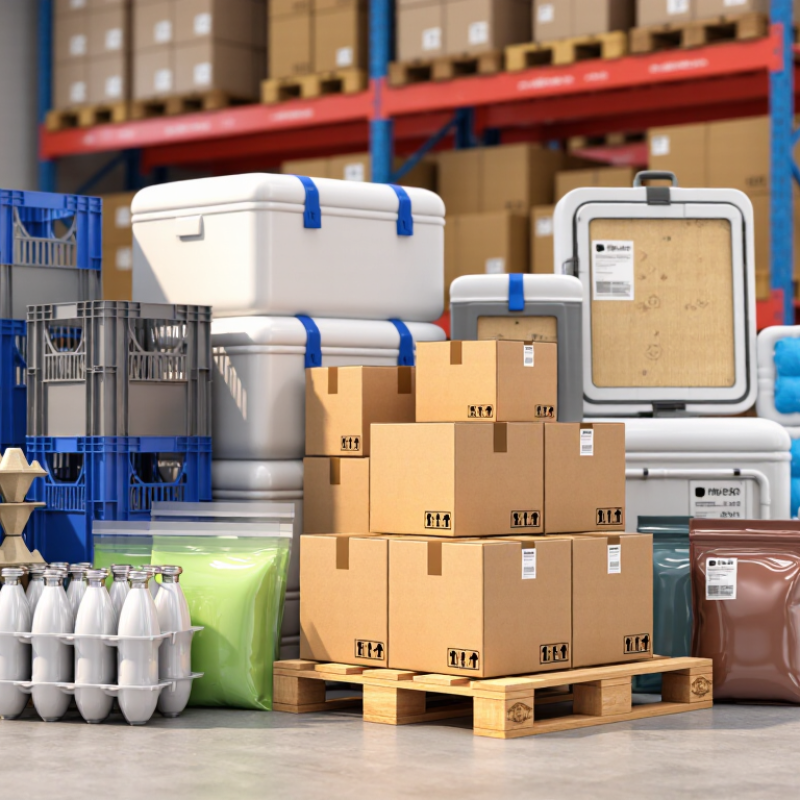
Packaging solution categories shape cost, protection, and customs handling across global trade. Corrugated cartons suit general cargo, while wooden crates protect machinery, glass, and irregular components. Pallets improve warehouse movement, but their dimensions must match container space and handling equipment. Flexible films provide moisture control and bundling. Rigid plastic or metal containers support liquids, powders, and repeated industrial use.

Protective packaging includes molded pulp, foam, honeycomb board, and air cushions. The correct choice depends on vibration, stacking pressure, and drop height. Temperature-controlled packaging serves food, pharmaceuticals, and other sensitive goods. Desiccants and barrier films help when sea routes cross humid climates. Labels, barcodes, and electronic tracking improve identification at transfer points. Reusable totes can reduce recurring material demand, although reverse logistics may weaken their value.

Packaging waste deserves direct attention. The OECD’s Global Plastics Outlook reports that packaging represents about 40% of global plastics use. UNEP’s 2023 Turning off the Tap report states that plastic pollution could fall by 80% by 2040 through reuse, recycling, and redesign. These figures support lighter materials and practical reuse systems, not automatic material substitution. A thinner carton can fail under stacked cargo. That mistake is expensive. Buyers should test compression, moisture resistance, pallet stability, and opening conditions before approving a specification. I still see packaging decisions based on unit price alone. That approach needs reconsideration.

Ten Packaging Solutions for Different Product and Shipping Needs

Top 10 Packaging Solutions for Global Buyers

Different products require different protection, handling, and shipping controls. Corrugated cartons suit general cargo, while double-wall boxes protect heavy goods during long transit. Paperboard cartons present retail items neatly. Padded mailers fit books, garments, and small accessories. Rigid containers help protect liquids and fragile components. Flexible pouches reduce empty space and shipping weight. Wooden crates support oversized industrial equipment. Molded-pulp inserts cushion delicate products without excessive plastic. Foam inserts offer stronger impact protection, but disposal can be difficult. Reusable totes support repeated business-to-business shipments. These ten solutions cover common product and shipping needs.

The choice should follow evidence, not appearance. Smithers’ The Future of Global Packaging to 2028 forecasts the packaging market could reach about 1.2 trillion US dollars by 2028. That growth increases pressure to control material use and shipping damage. The OECD reported that packaging generated about 40% of global plastic waste in 2019. Right-sizing matters. A smaller carton can reduce void fill, freight volume, and product movement. However, an undersized package may cause crushing, returns, and hidden costs. That trade-off deserves testing.

Practical trials should measure drop resistance, compression strength, moisture exposure, and pallet stability. Buyers should also verify recycled content, labeling rules, and local recycling access. A recyclable package is not always recycled in practice. That remains an uncomfortable limitation. Packaging engineers can compare damage rates before approving large orders, using real routes, temperatures, and handling conditions. Data from these tests is more reliable than a supplier’s general claim.

How Global Buyers Compare Packaging Performance and Cost

Top 10 Packaging Solutions for Global Buyers

How Global Buyers Compare Packaging Performance and Cost

Global buyers rarely choose packaging by unit price alone. They compare damage rates, loading efficiency, labor time, and landed cost. Common options include corrugated cartons, molded pulp, foam inserts, honeycomb boards, flexible mailers, reusable totes, rigid cases, paper tubes, insulated liners, and returnable pallets. Each solution fits a different shipping risk.

In practical sourcing, packaging performance starts with testing. Buyers can measure compression strength, vibration resistance, moisture exposure, and drop impact. A carton that survives a warehouse drop may still fail during humid ocean transport. Reusable totes can reduce waste, but their return logistics may increase costs. Lightweight mailers save freight charges, yet they offer less protection for fragile goods. Some estimates look excellent at quotation stage, then weaken after repacking labor and replacement claims appear. We have seen this gap repeatedly.

Tips: Compare total cost per delivered unit, not packaging cost alone. Request test records and sample shipments. Check pack-out speed with real workers. Review dimensions against pallet space. Ask whether local materials and repair services are available. Keep one alternative under review; the cheapest design is not always the most reliable.

Top 10 Packaging Solutions for Global Buyers - How Global Buyers Compare Packaging Performance and Cost

Rank Packaging Solution Typical Material Structure Common Global Applications Protection Profile Indicative Cost Index* Logistics Efficiency End-of-Life Profile Typical Buyer Priority
1 Corrugated Fibreboard Boxes Paper linerboard and fluted paper medium E-commerce, consumer goods, industrial components and food shipping Good stacking strength and cushioning; moisture resistance depends on coating and design 2.0 / 5
Low
Ships flat and can be customized for high cube utilization Widely recyclable Low delivered cost, recyclability and easy sourcing
2 Flexible Polyethylene Pouches Single-layer or multilayer polyethylene film Dry foods, pet food, household products and refill packs Lightweight, sealable and resistant to many forms of moisture 1.8 / 5
Low
Very low packaging weight and high product-to-package ratio Recycling access varies Material reduction, low freight weight and high filling efficiency
3 Rigid PET Containers Polyethylene terephthalate, often with a separate closure Beverages, personal care, sauces and household liquids Good clarity, impact resistance and gas barrier for many products 2.8 / 5
Medium-low
Lightweight; empty containers may require careful cube management Widely recyclable where collection exists Product visibility, durability and established recycling streams
4 Aluminium Cans Aluminium body with coated interior and metal end Carbonated drinks, energy drinks, canned foods and aerosols Excellent light, oxygen and moisture barrier; protects against breakage 3.6 / 5
Medium
Good pallet density and consistent high-speed filling performance Highly recyclable Barrier performance, shelf life and strong material recovery value
5 Glass Bottles and Jars Silica-based glass with metal or polymer closure Food, beverages, cosmetics and pharmaceutical products Excellent chemical resistance and impermeable barrier; fragile in transit 4.2 / 5
Medium-high
Heavy and space-intensive, increasing transport-related handling cost Recyclable and reusable in suitable systems Premium presentation, inertness and product protection
6 Retort Pouches Multilayer polymer film, commonly including a barrier layer Ready meals, sauces, seafood and shelf-stable foods High thermal resistance and strong barrier for long ambient shelf life 3.0 / 5
Medium-low
Very light and compact compared with many rigid alternatives Usually difficult to mechanically recycle Shelf-life extension, low shipping weight and cooking convenience
7 Moulded Fibre Trays and Pulp Packs Formed paper fibre, recycled fibre or agricultural fibre blends Eggs, produce, electronics protection and food-service items Good cushioning and shape retention; moisture performance may need treatment 3.2 / 5
Medium
Nested formats can save storage space; density varies by design Generally recyclable or compostable by specification Fibre content, plastic reduction and protective fit
8 Paperboard Folding Cartons Coated or uncoated paperboard, sometimes with barrier treatment Dry foods, cosmetics, pharmaceuticals and household products Good printability and shelf presentation; limited moisture and crush resistance 2.5 / 5
Low-medium
Ships flat and offers efficient retail shelf utilization Generally recyclable Brand communication, low flat-pack cost and fibre recovery
9 Reusable Plastic Totes Durable polypropylene or high-density polyethylene Automotive parts, retail distribution, agriculture and closed-loop logistics High impact resistance, stackability and repeated-use durability 4.0 / 5
Medium-high upfront
Efficient in returnable networks; reverse logistics are required Reusable and recyclable at end of service Low cost per trip over multiple cycles and damage reduction
10 Insulated Shipping Systems Corrugated or polymer outer pack with fibre, foam or vacuum insulation Pharmaceuticals, meal kits, seafood and temperature-sensitive goods Thermal protection; performance depends on payload, duration and ambient conditions 4.8 / 5
High
Additional volume and weight; qualified packing can reduce product loss Depends on insulation and separation of materials Temperature compliance, product integrity and total-loss prevention
Method note: Cost Index is an indicative relative score for packaging materials and typical conversion complexity, where 1 = lowest and 5 = highest. Actual costs vary by order volume, dimensions, regional material prices, tooling, compliance requirements, freight distance and return rates. Recyclability depends on local collection, sorting and reprocessing infrastructure.

International Packaging Standards, Safety, and Sustainability

Top 10 Packaging Solutions for Global Buyers

International Packaging Standards, Safety, and Sustainability

Global buyers need packaging that survives distance, inspection, and changing climates. Strong solutions combine certified materials, clear labeling, and practical handling design. Corrugated cartons need tested compression strength, especially during stacked sea freight. Moisture-resistant liners help when containers move between humid ports and dry warehouses. Small details matter. A 10-millimeter corner protector can prevent crushed edges during repeated transfers.

Packaging teams should verify drop, vibration, compression, and leak resistance before shipment. Test it. Use recognized frameworks, such as ISO 18601, to guide packaging and environmental decisions. Wood pallets may require ISPM 15 treatment and official marking. Labels should remain readable after abrasion, condensation, and temperature changes. Labels fail. Destination-language instructions can reduce handling mistakes.

Sustainable design means reducing empty space, right-sizing cartons, and choosing recyclable materials when performance allows. Replacing plastic blindly can increase damage and waste. That trade-off matters. Buyers should request material declarations, test results, recycled-content evidence, and disposal guidance. Independent laboratories can confirm supplier claims, while inspection photos improve reliability. Yet documents are not enough. A package may pass laboratory testing and fail on a rough regional road. Pilot shipments reveal weak seals, awkward handles, and labels hidden beneath straps. Not always. A slightly heavier carton can sometimes prevent replacement shipments and reduce total waste.

How to Select and Source the Right Packaging Solution

Top 10 Packaging Solutions for Global Buyers

How to Select and Source the Right Packaging Solution

Selecting packaging begins with the product, not the catalogue. Define protection needs, shipping distance, humidity, temperature, stacking pressure, and opening experience. Smithers’ report, The Future of Global Packaging to 2028, projects the global packaging market will exceed US$1.2 trillion by 2028. Buyers therefore face many choices, but larger markets do not guarantee better sourcing decisions.

Create a comparison matrix for ten solution types, including corrugated boxes, molded pulp, flexible films, rigid containers, protective foams, pallets, pouches, returnable systems, paper-based packs, and reusable crates. Score each option for barrier performance, damage rates, material efficiency, recyclability, tooling costs, and lead time. Test early. A small pilot shipment can reveal compression failures that laboratory samples miss. The World Bank reports that global waste generation could reach 3.4 billion tonnes annually by 2050, making material reduction a practical purchasing concern.

Request supplier evidence, not broad promises. Check quality systems, batch traceability, material specifications, migration testing, and independent certifications where relevant. Ask for samples from normal production, not specially prepared prototypes. Compare total landed cost, including tooling, freight, duties, storage, and disposal. I have seen low unit prices become expensive after repeated damage claims. That assumption deserves scrutiny. Also, sustainability claims can be vague. Require measurable data, such as recycled content, package weight, carbon boundaries, and end-of-life instructions. Local regulations and recycling infrastructure still vary widely, so a solution successful in one market may fail elsewhere.

Top 10 Packaging Solutions for Global Buyers

The Buyer-Fit Index is a calculated benchmark from 0 to 100 based on five practical sourcing criteria: product protection, logistics efficiency, customization potential, sustainability options, and supply-chain scalability. It is not a market-share ranking and does not represent any company or brand.

Buyers should validate barrier performance, applicable food-contact or product-safety requirements, recyclability or reuse infrastructure, minimum order quantities, lead times, and total landed cost before selecting a packaging solution.