Top 10 Tips for Effective Folding Carton Packaging Design and Usage
In today’s fast-paced market, the significance of effective Folding Carton Packaging cannot be overstated. According to a report from Smithers Pira, the global folding carton market is projected to reach $250 billion by 2025, driven by increasing demand for sustainable packaging solutions and innovative designs. As retailers and manufacturers strive to capture consumer attention, the design and functionality of packaging play a crucial role in product differentiation and brand loyalty.
Industry expert Dr. Jane Willoughby, a leading authority on packaging design, emphasizes that "the packaging is often the first touchpoint a consumer has with a brand; thus, it must not only protect the product but also communicate its value proposition effectively." This underscores the importance of leveraging both aesthetic and practical elements in folding carton designs. With the right strategies, companies can enhance consumer experience and boost sales while maintaining eco-friendly practices.
Navigating the complexities of Folding Carton Packaging requires a comprehensive understanding of design principles, material selection, and printing techniques. In this article, we will explore the top 10 tips for creating effective folding carton packaging solutions that resonate with both consumers and industry standards, ultimately contributing to a successful product launch and enhanced market presence.

Understanding the Importance of Folding Carton Packaging Design
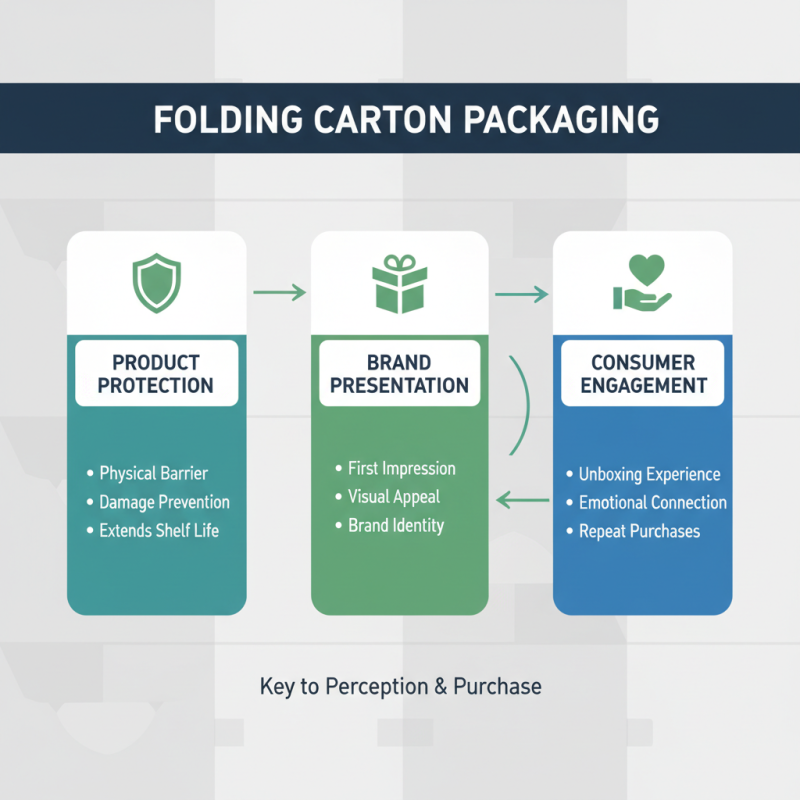
Folding carton packaging plays a crucial role in both the protection and presentation of products. It serves as the first point of interaction between a consumer and a brand, making its design pivotal in shaping consumer perceptions. The importance of folding carton design is rooted not only in its functionality but also in its ability to communicate brand values and enhance the unboxing experience. Effective packaging can create an emotional connection with the consumer, prompting engagement and encouraging repeat purchases.
Furthermore, folding cartons offer versatility in design, enabling brands to utilize various shapes, sizes, and materials to align with their marketing strategies. Sustainable packaging solutions have gained traction in recent years, as consumers are increasingly prioritizing environmentally friendly options. Designers must, therefore, consider not only aesthetic appeal but also the lifecycle of the materials they choose. A well-thought-out carton can reduce material waste, promote recycling, and ultimately contribute to a company’s overall sustainability ethos, reflecting a commitment to both quality and environmental responsibility.
Key Elements of Effective Folding Carton Structural Design
Effective folding carton structural design is crucial for enhancing product presentation and ensuring consumer satisfaction. According to a report by Smithers Pira, the global folding carton market is expected to reach $300 billion by 2024, driven largely by consumer demand for robust packaging solutions that also provide convenience and sustainability. One of the key elements of effective design is material selection; choosing the right substrates not only affects the carton’s recyclability but also its ability to protect the contents. For instance, lightweight materials can reduce shipping costs while maintaining structural integrity, which is pivotal for brands aiming to optimize their logistics.
Another essential aspect is the structural layout of the carton. Design elements such as score lines, folds, and tabs can significantly impact the ease of assembly and the overall user experience. A well-structured carton will facilitate faster packing operations and minimize material waste. Research from the Packaging Institute shows that up to 30% of packaging costs can be attributed to design inefficiencies. Therefore, investing time in creating intuitive designs not only enhances functionality but also aligns with sustainability goals, making them essential in today’s competitive market landscape.
Materials Selection: Choosing the Right Components for Your Carton
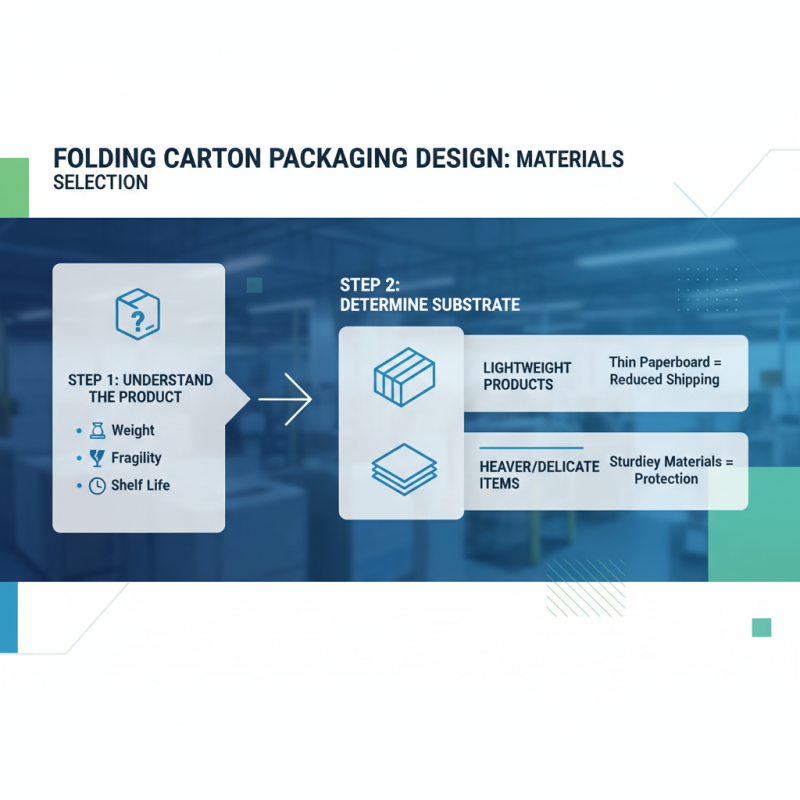
When it comes to effective folding carton packaging design, the selection of materials plays a crucial role in ensuring the carton’s performance and appeal. The first step in materials selection involves understanding the product being packaged. Factors such as weight, fragility, and shelf life dictate the choice of substrate. For instance, lightweight products may benefit from thinner paperboard that reduces shipping costs, while heavier or more delicate items may require sturdier materials to provide adequate protection.
In addition to the structural integrity, the choice of materials can significantly influence the visual aesthetics of the packaging. Considerations such as printability, texture, and color are essential when selecting your carton components. A smooth, high-quality paperboard can enhance print quality, allowing for vibrant colors and intricate designs that attract consumers’ attention. Moreover, sustainable materials are becoming increasingly important; opting for recyclable or biodegradable options not only appeals to eco-conscious customers but can also enhance brand image. Ultimately, the right material selection not only protects the product but also creates a meaningful connection with the consumer through thoughtful design and environmental responsibility.
Designing for Sustainability: Eco-Friendly Practices in Carton Packaging
In the realm of packaging design, sustainability has emerged as a crucial focus, particularly in the production of folding cartons. A significant aspect of eco-friendly practices in carton packaging involves the use of recyclable materials. By opting for papers and boards that can be easily recycled, manufacturers not only reduce waste but also contribute to a circular economy where materials are continuously repurposed. Incorporating recycled content into packaging designs enhances the environmental footprint and appeals to eco-conscious consumers, making it an essential consideration for any modern packaging strategy.
Furthermore, sustainable folding carton design can be achieved through optimizing size and structure. By designing packaging that uses minimal material while ensuring strength and protection, businesses can decrease resource consumption significantly. Techniques such as die-cutting and creating structural designs that require less ink and fewer adhesives further enhance sustainability. These practices not only lower production costs but also result in lighter shipments, reducing transportation emissions. Emphasizing such eco-friendly approaches in carton packaging not only adheres to sustainable goals but also positions brands as responsible leaders in their industries.
Maximizing Functionality: Practical Considerations for Usage and Handling
When it comes to folding carton packaging, functionality is paramount. A well-designed carton not only serves its purpose but also enhances user experience during handling and usage. To maximize functionality, consider the structural integrity of your design. Utilizing robust materials ensures that the carton can withstand the rigors of transportation and storage, while the right structural design can facilitate easy opening and closing, making it user-friendly.
Another practical consideration is the carton’s size and dimensions. By carefully designing the packaging to fit the product snugly, you not only reduce material waste but also minimize the chances of damage during transit. Additionally, incorporating features like easy-tear perforations or intuitive folding mechanisms can significantly enhance handling efficiency.
Lastly, consider the information and branding displayed on your packaging. Clear labeling not only guides users on how to handle the carton but also communicates essential product information. A well-thought-out design can incorporate all necessary details while remaining visually appealing. By following these tips, you can ensure that your folding carton packaging is both effective and functional, catering to the practical needs of users.
Top 10 Tips for Effective Folding Carton Packaging Design
This chart illustrates the importance of different factors in folding carton packaging design and usage, highlighting their respective effectiveness based on real industry feedback.