Top 10 Tips for Sourcing PP Woven Bags Effectively?
The global market for PP Woven Bags is expanding rapidly. Recent reports show that the demand for these bags is projected to reach 7 million tons by 2025. This growth stems from their durability, cost-effectiveness, and eco-friendly attributes. The versatility of PP woven bags makes them suitable for various industries, including agriculture, construction, and retail.
Sourcing PP woven bags effectively requires an understanding of key factors that influence quality and supply. Manufacturers often differ in production processes, which leads to variations in bag strength and reliability. It’s crucial to evaluate potential suppliers carefully. This includes verifying certifications and sustainability practices. Many buyers overlook these aspects, risking the integrity of their supply chain.
Market insights emphasize the importance of building long-term relationships with trustworthy suppliers. Relying solely on price can lead to poor choices. Focus on a supplier's reputation and product consistency alongside cost. Navigating the sourcing process for PP woven bags can be complex, and attention to detail is vital. Reflect on these aspects to ensure successful procurement.
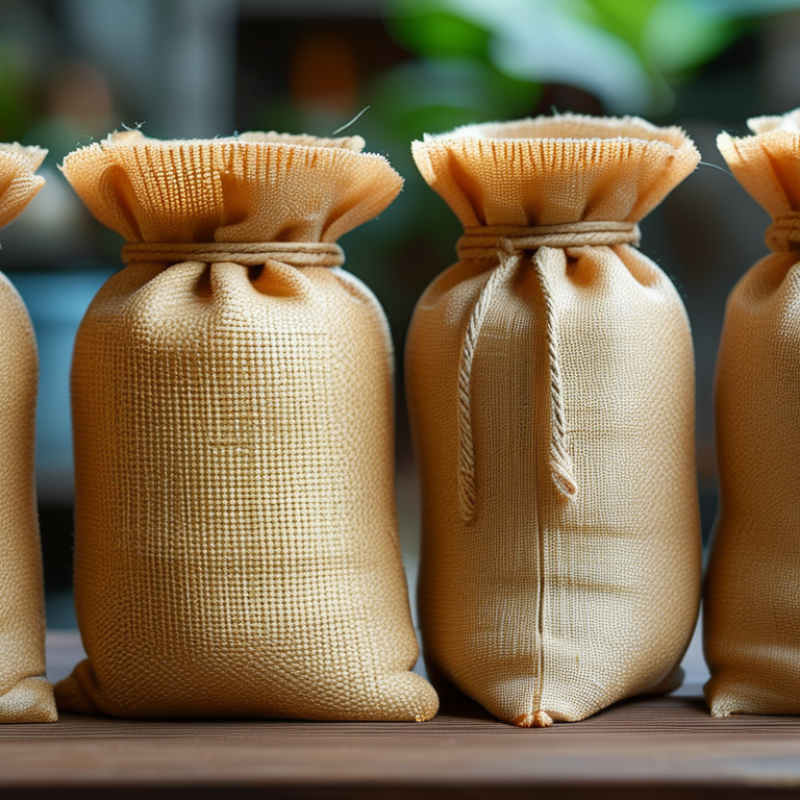
Understanding PP Woven Bags: Types and Applications
PP woven bags are versatile and widely used in various industries. They are made from polypropylene, a durable plastic that is resistant to moisture and tearing. These bags come in different types, such as flat, gusseted, and geotextile options, catering to specific needs. For instance, flat bags are ideal for bulk packaging, while gusseted bags provide extra space for bulkier items.
Applications of PP woven bags span numerous sectors. The agricultural industry relies on these bags for grain storage and transportation. In construction, they are used for carrying sand, gravel, and other materials. Retailers favor them for reusable shopping bags, aligning with eco-friendly initiatives. Despite their benefits, challenges exist. Sourcing these bags often involves navigating international shipping and quality assurance processes. Ensuring reliable suppliers is key, as inconsistent quality can affect end-use performance.
Understanding the various types and applications of PP woven bags is crucial. Selecting the right type for your needs can optimize efficiency. However, one must remain vigilant about the supplier’s credibility and experience in this market. The balance between cost and quality is often hard to strike. Each sourcing decision should be backed by thorough research and consideration of long-term impacts on your business.
Identifying Reliable Suppliers for PP Woven Bags
When sourcing PP woven bags, finding reliable suppliers is crucial. A study by Smithers Pira indicates that the global demand for woven polypropylene is expected to grow at a CAGR of 4.5% annually. This growth reflects rising demand in sectors like agriculture and retail. Identifying partners who understand the market is essential for securing high-quality materials.
Look for suppliers with certifications. ISO and other relevant quality standards indicate reliability. Engaging in trade shows can help in networking. These events often showcase top manufacturers. Always check supplier reviews and testimonials. Peer recommendations can aid in evaluating supplier reputations.
The production process of PP woven bags involves multiple steps. Factors like resin quality and weaving techniques affect bag strength. Suppliers should transparently share this information. Some dodgy suppliers might not disclose their production methods, which is a red flag. Consider conducting audits if possible. This direct engagement often reveals inconsistencies. Reliable suppliers will gladly comply with your requests for site visits or further information.
Top 10 Tips for Sourcing PP Woven Bags Effectively
| Tip Number | Tip Description | Importance | Expected Outcome |
| 1 | Research the Market Trends | High | Informed decision-making |
| 2 | Evaluate Supplier Credentials | Medium | Quality assurance |
| 3 | Request Samples | High | Product evaluation |
| 4 | Identify Minimum Order Quantities | Medium | Cost management |
| 5 | Check for Certifications | High | Compliance assurance |
| 6 | Review Customer Feedback | Medium | Better supplier selection |
| 7 | Analyze Pricing Structures | High | Cost-effectiveness |
| 8 | Understand Lead Times | Medium | Efficient planning |
| 9 | Negotiate Payment Terms | High | Financial flexibility |
| 10 | Build Long-term Relationships | Medium | Sustained cooperation |
Evaluating Quality Standards for PP Woven Bags
Evaluating quality standards for PP woven bags is crucial for effective sourcing. One of the first aspects to consider is the material quality. Look for bags made from 100% polypropylene. This indicates strength and durability. Check for UV resistance, especially if bags will be used outdoors. Bags that fade quickly may not provide long-term value.
Another important factor is the stitching quality. Strong, even stitching prevents bags from tearing under pressure. Take a closer look at the seams. They should be reinforced, particularly if the bags are intended for heavy loads. Inspecting samples before bulk purchasing is vital. This hands-on approach ensures that the bags meet your specific requirements.
Additionally, consider the environmental standards of the supplier. Sustainable practices are increasingly important in today’s market. Research whether the supplier follows eco-friendly production methods. Ask for certifications to verify compliance with industry standards. While suppliers may claim quality, evaluating their history and customer reviews can offer deeper insights. This approach allows you to make informed decisions, minimizing the risk of subpar products.
Negotiating Pricing and Terms in Sourcing PP Woven Bags
Negotiating pricing and terms when sourcing polypropylene (PP) woven bags is essential for success. Understanding market rates can give you leverage during negotiations. Research various suppliers to get a grasp on what is reasonable. It is crucial to ensure the quality matches the price. Sometimes, lower prices may lead to compromises in material or craftsmanship. A poor-quality bag could affect your business's reputation.
When discussing terms, clarity is key. Specify order quantities, delivery schedules, and payment terms. Don't shy away from asking for samples. This step is vital to evaluate the product before making a commitment. Consider exploring bulk discounts or loyalty incentives. Suppliers value long-term relationships. A good negotiation can pave the way for better deals in the future.
You might encounter challenges during negotiations. Some suppliers may be inflexible on pricing. Reflect on what aspects truly matter for your business. Is it the quality, price, or delivery time? A balance is often required. Building rapport with suppliers can lead to more favorable terms. Remember, every negotiation is a learning experience. Each interaction improves your skills for future sourcing endeavors.
Exploring Sustainable Options in PP Woven Bag Production
PP woven bags are gaining attention for their sustainable options in production. The global demand for eco-friendly packaging is rising, with a 20% increase projected in the next five years according to recent industry studies. This shift reflects a growing consumer preference for sustainable materials. With that in mind, sourcing responsibly produced PP woven bags is both a business and ethical imperative.
One effective tip is to research suppliers who use recycled polypropylene. This material reduces plastic waste and supports a circular economy. Look for certifications that validate the sustainability of their production processes. Another essential point is to evaluate the life cycle of these bags. Understanding their environmental impact from production to disposal can help make informed decisions.
Many suppliers now offer customization options. Brands should consider these to ensure their products stand out while also aligning with sustainable practices. Yet, be cautious. Not all claims of sustainability are genuine. Verification is key. By balancing quality with eco-conscious choices, companies can contribute to a more sustainable future.
Top 10 Tips for Sourcing PP Woven Bags Effectively
