How to Use Solar Containers for Sustainable Energy Solutions?
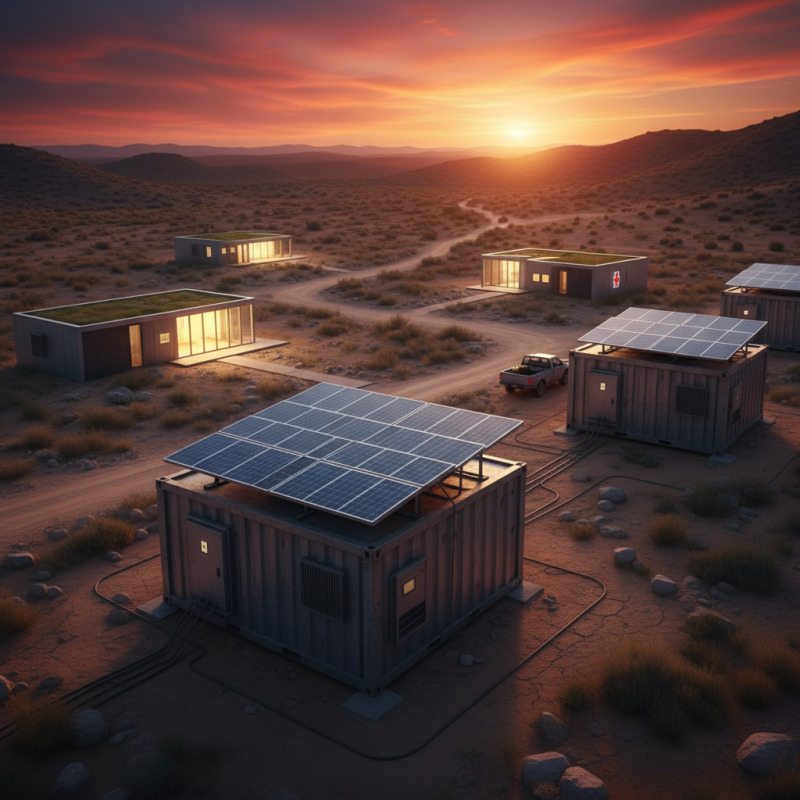
In recent years, the concept of integrating solar containers into energy solutions has gained traction. These innovative units harness solar power efficiently. A solar container is a portable structure equipped with solar panels. It can generate electricity, making it ideal for various uses.
Using solar containers can provide energy in remote locations. They can power homes, schools, and medical facilities. Yet, challenges remain in their deployment. The initial investment can be high. Also, the maintenance of solar containers requires attention.
Overall, solar containers exemplify a sustainable approach to energy. They offer a glimpse into a greener future. However, careful planning and consideration must guide their implementation. This balance of potential and limitations will shape our energy landscape.
Understanding Solar Containers and Their Functionality
Solar containers are innovative solutions for harnessing solar energy effectively. They integrate photovoltaic technology into modular containers, promoting sustainable energy practices. These flexible units can be deployed in various locations, from urban areas to remote sites. They address energy accessibility issues in underserved regions, allowing communities to generate electricity from sunlight.
According to the International Renewable Energy Agency (IRENA), solar energy has become one of the fastest-growing energy sources globally. It accounted for approximately 10% of the global electricity generation in 2022. As awareness of climate change increases, solar containers gain traction. They can also serve multiple functions, such as providing power for small businesses or disaster relief operations.
Tips: When considering solar containers, assess your specific energy needs. Calculate the daily energy demand to determine the size of the solar container required. Keep in mind that upfront costs may be high, but savings on energy bills can offset this.
It’s essential to evaluate the practical aspects. Solar containers require adequate sunlight exposure to function optimally. Shade from nearby structures can reduce efficiency. Regular maintenance is necessary to ensure maximum performance. Monitoring energy production can help identify potential issues early. This way, you can keep solar containers running smoothly.
Benefits of Using Solar Containers for Sustainable Energy
Solar containers offer distinct advantages for sustainable energy. With the global push for greener solutions, these portable units stand out. According to the International Renewable Energy Agency (IRENA), solar energy could provide over 25% of global electricity needs by 2030. Using solar containers can play a pivotal role in achieving this goal.
The flexibility of solar containers makes them suitable for various environments. They can power remote locations, provide emergency energy in crises, or support construction sites. A report from the World Bank states that renewable energy solutions could cut energy costs by up to 80% in some regions. However, while the initial investment may be high, long-term savings are essential to consider.
Despite their benefits, there are challenges involved. Weather conditions can affect efficiency. Moreover, the technology may not be accessible in all areas, leading to energy inequities. It’s crucial to address these disparities. Implementing solar containers responsibly requires reflection on community needs and infrastructure readiness. Energy transition must be inclusive and equitable for true sustainability.
Setting Up Solar Containers: Step-by-Step Guide
Setting up solar containers offers a practical solution for sustainable energy. To start, gather the necessary materials. Solar panels, charge controllers, batteries, and wiring are crucial. Research shows that over 2.5 billion people lack access to electricity. Solar containers can bridge this gap effectively.
Secure a stable location for your solar container. Ensure it receives ample sunlight. Orientation matters; panels should face the sun directly. A report by the International Renewable Energy Agency indicates that solar energy has the potential to reduce global carbon emissions by 70%. However, dust and debris can hinder performance.
Tips: Regular maintenance is key. Clean the solar panels periodically. Monitor the energy output regularly to catch issues early. Consider battery storage capacities carefully. Oversizing might lead to unnecessary costs.
A solar container setup may not always yield perfect results. Challenges like shading from nearby trees or buildings can arise. It's essential to analyze your situation critically and adjust accordingly. Experimenting with designs can lead to improvements. Keep testing and refining your setup for the best outcomes.
Applications of Solar Containers in Various Industries
Solar containers offer innovative energy solutions across various industries. They harness solar power to provide clean energy in remote areas. Construction sites benefit greatly from these units. They power tools and lights, minimizing the need for fuel generators. This leads to lower carbon footprints and reduced noise pollution.
In agriculture, solar containers are game-changers. They can power irrigation systems and refrigeration for perishables. Farmers can access energy even in off-grid locations. This independence from fossil fuels is vital. However, the initial setup costs can be a concern. Small farms might struggle with funding, limiting their access to these technologies.
Healthcare facilities also see the advantages of solar containers. They ensure reliable power for essential equipment. Rural clinics can operate without interruptions. Yet, maintenance can be tricky. Local technicians may need training to handle repairs. This highlights the importance of ongoing support in promoting sustainability.
Applications of Solar Containers in Various Industries
| Industry | Application | Benefits | Example Usage |
| Agriculture | Irrigation systems powered by solar energy | Reduces fossil fuel dependency, lowers operational costs | Solar-powered pumps for remote fields |
| Construction | Power supply for tools and machinery | Increases project sustainability, reduces emissions | Portable solar generators on job sites |
| Healthcare | Mobile clinics powered by solar energy | Expanded access to healthcare in remote areas | Solar containers providing essential medical services |
| Event Management | Powering festivals and outdoor events | Green and clean energy source, enhances event appeal | Solar-powered lighting and sound systems |
| Military | Remote base operations powered by solar | Increased energy independence, improved logistics | Solar container units for field operations |
Future Trends in Solar Container Technologies and Solutions
The rise of solar container technologies presents exciting possibilities for sustainable energy. These portable units can be equipped with solar panels, storage batteries, and essential electronics. They can easily be deployed in remote areas needing power. By utilizing these containers, communities gain access to clean energy solutions.
Emerging trends show advancements in efficiency and flexibility. New materials and designs are being explored to enhance solar capture. Furthermore, integrating battery technology is crucial. Enhanced storage options allow for energy use even when the sun isn’t shining. However, the initial setup costs can be a barrier. Many find themselves reflecting on budget constraints and return on investment.
Additionally, there are environmental considerations. The production of solar containers must be sustainable. This means sourcing materials responsibly and minimizing waste. As the market grows, questions about recycling and the lifecycle of these containers arise. Striking a balance between innovation and impact is essential. The future of solar containers holds great promise, yet it needs careful navigation.
Future Trends in Solar Container Technologies and Solutions