
What Are the Best Clothes Bags from China?
Choosing the best Clothes Bag from China requires more than comparing factory prices. Material, stitching, protection, branding, and supplier reliability all shape the final result. A garment bag for luxury coats needs different performance from a lightweight nonwoven bag for retail delivery.
The market is also under pressure to improve packaging decisions. Textile Exchange’s 2024 Materials Market Report estimated global fiber production at 124 million tonnes in 2023. It projects production could reach 160 million tonnes by 2030. That growth makes durability and responsible material selection increasingly important. The report also highlights the need for better traceability across textile supply chains. These findings matter when evaluating Chinese suppliers, not just when choosing colors or logos.
Practical testing should guide the shortlist. Inspect the zipper after repeated opening. Check whether handles remain comfortable with a full suit inside. Rub printed areas with a damp cloth. Measure folded size, fabric weight, odor, and seam strength. A recycled PET Clothes Bag may suit premium apparel, while cotton can provide a softer, more natural presentation. Nonwoven polypropylene may offer a lower-cost option, but its finish and recyclability require closer review.
No single bag wins every use case. A polished sample can hide weak stitching. A low quotation can exclude packaging or inspection costs. This guide compares Chinese Clothes Bag options through material quality, manufacturing experience, customization, order flexibility, and supplier documentation. It also considers evidence from recognized industry reports, while acknowledging one practical limitation: sustainability claims still need verification at factory level.
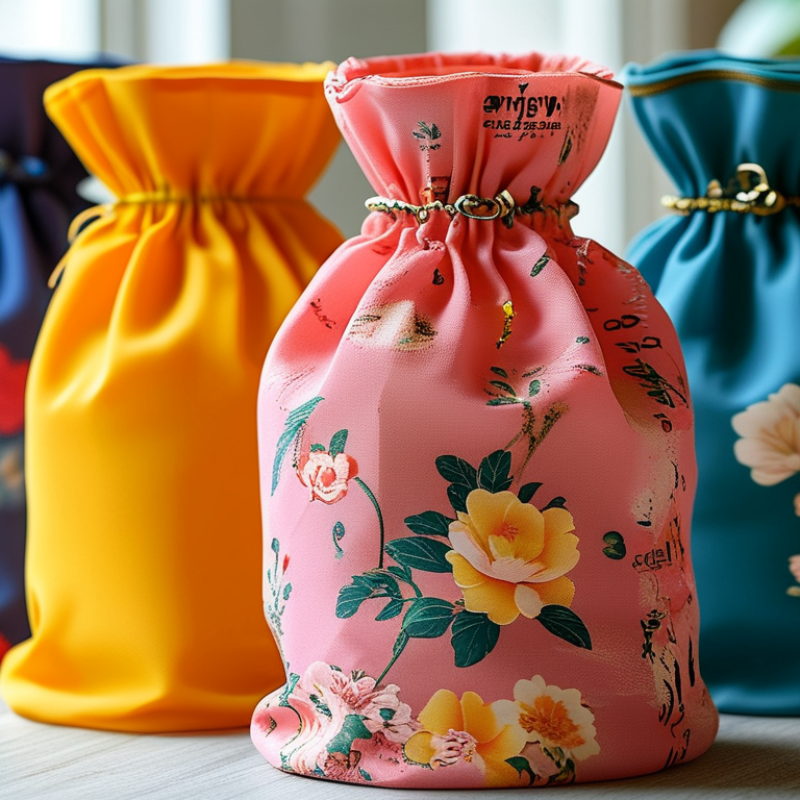
Chinese Clothes Bag Types: Nonwoven, Cotton, Canvas, and Recycled PET Options
What Are the Best Clothes Bags from China?
Chinese Clothes Bag Types: Nonwoven, Cotton, Canvas, and Recycled PET Options
Choosing clothes bags from China depends on product weight, presentation, reuse, and shipping cost. Nonwoven bags are lightweight and economical for folded shirts, uniforms, and promotional orders. Their sealed edges resist fraying, but thin material may tear under heavy jackets. Request a sample before confirming large quantities.
Cotton bags feel soft and natural. They suit boutiques, gift packaging, and customers who value repeated use. Canvas is thicker and more structured, making it practical for shoes, coats, or dense garments. However, cotton and canvas absorb moisture and usually cost more to transport. Printing quality also depends on fabric texture and ink absorption.
Recycled PET bags offer a smooth surface and consistent shape. They work well for modern retail packaging and repeated handling. Ask suppliers for material evidence, weight specifications, stitching samples, and colorfastness results. A practical inspection should check handles, seams, odors, dimensions, and load performance. Small details matter.
In my experience, the best choice is rarely the most attractive sample. It must survive packing, storage, transport, and daily use. Some suppliers describe similar fabrics differently, so written specifications are essential. I would also test a filled bag overnight. That simple test can reveal weak handles or stretched seams. Experiences vary. Recheck every batch.
Material Standards: Comparing 60–120 GSM Nonwoven and 140–300 GSM Cotton
What Are the Best Clothes Bags from China?
For Chinese clothing bags, GSM is a practical starting point, not a complete quality certificate. A 60–120 GSM nonwoven bag feels light, folds easily, and suits shirts, accessories, and short retail use. Its spunbond structure resists everyday scuffs, yet thin grades can crease around sharp zippers. A 140–300 GSM cotton bag feels denser, softer, and more reusable. It handles heavier jackets better, but moisture, dye transfer, and shrinkage require attention.
The material should match load, handling, and expected reuse. Textile Exchange’s Materials Market Report 2024 records 124 million tonnes of global fiber production in 2023. It projects production could reach 160 million tonnes by 2030. ICAC’s Cotton: World Statistics 2024 places global cotton output near 25 million tonnes for the 2023/24 season. These figures show why material efficiency matters, even for small packaging. A heavier cotton bag is not automatically greener. More fiber needs more resources, while weak stitching can shorten its service life. Request GSM testing under ASTM D3776, plus seam and handle-strength tests.
Tips: Choose 80–100 GSM nonwoven for light apparel and 180–220 GSM cotton for repeat use. Ask for independent test reports, not only supplier specifications. Check recycled-content claims through traceability documents. My caution is simple: GSM can look impressive, but finishing may hide uneven fabric. Touch, weigh, and test samples. Real loads expose weak handles.
What Are the Best Clothes Bags from China?
Material Standards: Comparing 60–120 GSM Nonwoven and 140–300 GSM Cotton
GSM means grams per square metre and indicates fabric weight. Cotton bags generally use a higher GSM range than nonwoven bags, which can provide a heavier hand feel and greater material density. Nonwoven bags are typically lighter and more economical for short-term or promotional use.
Supplier Evaluation: MOQ, ISO 9001 Certification, and Production Capacity
Choosing the best clothes bag supplier in China starts with practical supplier evaluation, not attractive sample photos. I usually request one sample, a factory video, and a recent production record. The sample should show clean stitching, smooth zippers, stable handles, and accurate dimensions. Ask for proof.
MOQ can reveal how flexible a factory really is. A supplier may quote 1,000 bags, but fabric color, logo method, and packaging can change that number. Request separate MOQs for standard designs and custom orders. For a first order, a smaller trial quantity may reduce inventory risk, although the unit price could rise. This trade-off deserves careful discussion.
ISO 9001 certification supports process control, but it does not guarantee perfect bags. Check the certificate number, issuing body, validity period, and covered factory address. Production capacity also needs evidence. Ask how many sewing lines operate, how many workers handle inspection, and what monthly output is realistic during peak periods. A factory claiming 200,000 bags monthly should explain its equipment, staffing, and current orders. I once treated a capacity estimate as a promise; the delivery schedule later exposed missing details. Now I request a written timeline, including sample approval, bulk production, inspection, and packing. Photos of cartons and inspection sheets can help, but independent verification remains more reliable.
| Supplier Profile | Recommended Bag Type | Typical Material | Typical MOQ | ISO 9001 Certification | Estimated Monthly Capacity | Typical Lead Time | Customization Capability | Best Fit |
|---|---|---|---|---|---|---|---|---|
| Profile A: Small-Batch Custom Producer | Garment cover bags and travel suit bags | Non-woven polypropylene, polyester, or recycled polyester | 500–1,000 pieces per design | Must be verified Request a current certificate and scope covering manufacturing. | 50,000–150,000 pieces | 20–30 days after sample approval | High; suitable for logo printing, zipper selection, handles, pockets, and size changes | Small and medium fashion labels, trial orders, and seasonal collections |
| Profile B: Mid-Size Non-Woven Bag Factory | Foldable garment bags and dust covers | 70–120 gsm non-woven polypropylene | 2,000–5,000 pieces per color or design | Commonly available Verify certificate number, validity, issuing body, and factory address. | 200,000–500,000 pieces | 25–35 days after artwork confirmation | High; supports heat transfer, screen printing, embroidery, custom labels, and retail packaging | Retail programs requiring consistent quality and moderate volume |
| Profile C: High-Volume Packaging Producer | Standard suit covers and protective clothing bags | Non-woven polypropylene or polyethylene film | 10,000–30,000 pieces per specification | Often available Confirm that the certificate applies to the actual production site. | 500,000–2,000,000 pieces | 18–28 days for repeat orders | Medium to high; strongest for standardized sizes, colors, and repeat production | Department stores, uniforms, logistics programs, and large-volume orders |
| Profile D: Premium Textile Bag Workshop | Reusable cotton garment bags and premium suit bags | Organic cotton, conventional cotton, canvas, or linen blends | 1,000–3,000 pieces per design | Factory-dependent Ask for the certificate, audit report, and documented quality procedures. | 30,000–100,000 pieces | 30–45 days because of fabric sourcing and sewing operations | Very high; supports woven labels, embroidery, piping, lining, pockets, and custom closures | Premium apparel, sustainable packaging, and gift-oriented collections |
| Profile E: Recycled-Material Specialist | Reusable garment bags and eco-focused clothing covers | Recycled PET polyester or certified recycled non-woven material | 3,000–8,000 pieces per design | Verify independently ISO 9001 does not prove recycled content; request material certification separately. | 100,000–300,000 pieces | 30–45 days after material confirmation | High; supports recycled-content labels, custom colors, printing, and reusable packaging formats | Brands with sustainability requirements and documented material claims |
| Profile F: PVC and PEVA Protective Bag Producer | Transparent garment bags and waterproof clothing covers | PEVA, PVC, or polyethylene film | 5,000–15,000 pieces per size or color | Not universal Do not assume certification; request site-specific documentation and product test reports. | 150,000–600,000 pieces | 20–35 days depending on printing and sealing requirements | Medium; supports transparent windows, zipper closures, ventilation holes, and printed graphics | Dry-cleaning, storage, retail protection, and water-resistant applications |
Evaluation note: MOQ, capacity, lead time, and certification status vary by factory, material, size, and order specification. Before placing an order, request a current ISO 9001 certificate, production-site address, recent quality records, pre-production samples, and an independent factory audit where appropriate.
Quality Testing: Load Strength, Colorfastness, Stitching, and AQL 2.5
What Are the Best Clothes Bags from China?
A reliable clothes bag should survive more than a showroom inspection. During factory checks, I test load strength with the declared capacity, then add a controlled safety margin. Handles receive repeated lifting, while the bag hangs fully loaded. ISO 13934-1 offers a recognized method for textile tensile testing, but it does not replace a product-specific test. That distinction matters. A light garment bag may look strong, yet fail where the handle joins the body.
Colorfastness needs separate checks for rubbing, washing, and perspiration. ISO 105-X12 evaluates dry and wet crocking, while AATCC TM61 measures accelerated laundering performance. I inspect white test cloth for staining and check printed areas under neutral light. Stitching deserves equal attention. I measure stitch density, back-tacking, seam allowance, skipped stitches, and loose threads. A perfect sample can mislead. Production tension often changes.
For shipment approval, ISO 2859-1 provides the sampling framework behind AQL inspections. An AQL 2.5 plan is not permission to accept 2.5% defective bags automatically. Sample size depends on lot quantity and inspection level. I classify broken handles and open seams as major defects, while minor wrinkles may receive a different tolerance. Inspection records should include carton numbers, test loads, fabric shades, seam photographs, and retest results. This evidence supports traceability, although I still recommend checking random bags after arrival.
Sourcing Costs: FOB Pricing, Customization, Shipping, and Import Duties
What Are the Best Clothes Bags from China?
Sourcing Costs: FOB Pricing, Customization, Shipping, and Import Duties
The best clothes bags balance material strength, appearance, and landed cost. An FOB quote covers production and delivery to the named port. It usually excludes ocean freight, insurance, import duties, and local handling charges. Confirm the exact Incoterms version and port before comparing suppliers. A low FOB price may hide thinner fabric, weak seams, or inconsistent sizing. Ask for a physical sample, not only photographs. Check the zipper, stitching, odor, dimensions, and folding marks. Small details matter.
Customization affects both price and timing. Printed logos, special colors, recycled materials, reinforced handles, and custom packaging can increase minimum order quantities. Request a written sample approval before mass production. Shipping costs depend on carton size, gross weight, destination, season, and port congestion. Import duties vary by destination, product classification, customs value, and origin rules. A customs broker can verify the correct tariff code. Guessing duties is risky.
Tips: Compare landed cost, not FOB price alone. Ask for carton dimensions and packing photos. Build a small allowance for inspection, delays, and revisions. I would not accept the cheapest offer automatically. Sometimes, paying slightly more prevents damaged bags and expensive rework. Keep every specification in writing. That part is easy to overlook.
