What Is Custard Jelly and How Is It Used?
Custard Jelly is a chilled dessert with a soft, creamy texture and a shape that can hold when sliced or spooned. The name is not completely standardized. In some recipes, it means custard thickened with gelatin; in others, it describes a set custard made with eggs, starch, or a combination. That difference matters. It affects the texture, ingredients, and whether the dessert can be served in neat cubes or delicate spoonfuls.
A simple version may combine milk, sugar, and egg yolks, then use gelatin to help the mixture set in a mold. The finished dessert should feel smooth, not rubbery. A faint vanilla scent and a clean cut are useful clues. Small details count. Heat the custard gently, and dissolve gelatin fully to avoid lumps. Recipes vary, so checking the method is wiser than relying on the name alone.
Custard Jelly can be served plain, topped with fresh fruit, or layered with sponge cake and fruit jelly. It also works as a filling for chilled desserts, where its mild flavor balances sharper berries or citrus. For example, a thin layer between cake and sliced strawberries adds creaminess without overwhelming the fruit. I find the terminology a little confusing, and recipes do not always explain their setting agents clearly. Still, understanding the ingredients makes this dessert easier to prepare and adapt.
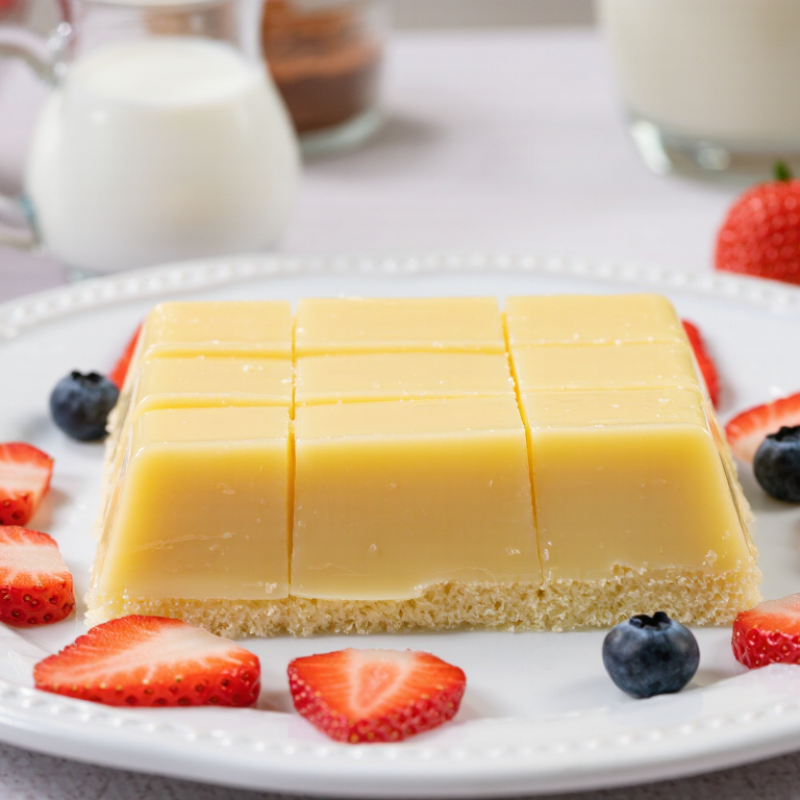
What Custard Jelly Is and How It Differs from Other Desserts
Custard jelly is a chilled dessert with a smooth, custard-like flavor and a sliceable, jelly-like set. The name is not used identically everywhere. Some recipes use milk, sugar, and egg yolks, then add gelatin or another setting agent. Others rely on custard powder for flavor and a jelly-setting ingredient for firmness. The exact texture depends on the recipe.
That texture helps distinguish it from classic custard, which is usually soft and spoonable. Traditional egg custard thickens as it cooks; custard jelly holds its shape after chilling. It also differs from ordinary fruit jelly, which is often clear, springy, and fruit-forward. Custard jelly is typically opaque, creamy in taste, and less bouncy. Not quite pudding, either.
It can be served in small cubes, molded into shapes, or layered with fruit and sponge cake. A spoonful should feel cool and tender, not rubbery. If it turns out too firm, the setting agent may have been measured heavily; if it slumps, the mixture may need more chilling or a different ratio. These names can be a little confusing, so checking the ingredients is more reliable than relying on the label alone.
Key Ingredients and the Texture They Create
Custard jelly sits between spoonable custard and a softly set gel. Its texture comes from balancing dairy, egg, and a gelling agent. USDA FoodData Central lists whole milk at about 3.25 grams of fat per 100 grams. That fat gives the dessert a rounder mouthfeel, while egg yolk proteins thicken the mixture as it warms. Gentle heat matters. Too much can make the custard grainy.
Gelatin adds a clean wobble without removing the creamy character. The Gelatin Manufacturers Institute of America’s Gelatin Handbook describes commercial gelatin strengths across roughly 50–300 Bloom, a measure of gel firmness. More gelatin generally creates a firmer set, though the result can feel rubbery if the dose is high. Not always silky. Sugar softens perceived firmness and balances egg flavor, but excess can mask the delicate dairy notes. A practical test is chilling a small sample before setting the full batch; temperature, ingredient ratios, and stirring all affect the final texture. Even careful cooks may need a second attempt.
What Is Custard Jelly and How Is It Used? - Key Ingredients and the Texture They Create | Ingredient | Role in the Mixture | Texture It Creates | Common Use |
| Milk | Provides the main liquid base and helps carry the flavors. | Gives the dessert a smooth, creamy body. | Used in cooked custards and chilled custard-style jellies. |
| Cream | Adds more fat and richness than milk alone. | Creates a richer, softer, more luxurious mouthfeel. | Often added to richer dessert versions. |
| Egg yolks | Thicken the custard when gently heated and help emulsify its ingredients. | Produce a velvety, tender custard texture. | Common in traditional cooked custards; excessive heat can cause curdling. |
| Cornstarch or another food starch | Thickens the liquid as it is heated. | Creates a smooth, pudding-like set that can hold its shape when chilled. | Used in egg-based or egg-free custard fillings and desserts. |
| Gelatin | Sets the mixture as it cools. | Creates a soft, cohesive, lightly springy gel. | Used when a chilled custard dessert needs to be unmolded or cut into portions. |
| Agar | Provides a plant-based setting agent and firms up as the mixture cools. | Usually creates a firmer, cleaner-cut gel than gelatin. | Used as a vegetarian or vegan alternative in suitable recipes; it must be heated to dissolve. |
| Sugar | Sweetens the dessert and balances the dairy and egg flavors. | Contributes to a tender, less austere mouthfeel. | Amount varies by recipe and by the sweetness of any accompanying sauce or fruit. |
| Vanilla | Adds aroma and a familiar custard flavor. | Does not set the dessert; the texture depends on the thickener or setting agent. | Used in both warm custards and chilled custard jellies. |
| Salt | Enhances sweetness and rounds out the flavor. | Does not noticeably change the set when used in a small amount. | Often included as a small seasoning in sweet custard mixtures. |
| Custard jelly is a broad dessert style rather than one fixed recipe: its texture depends on whether it is thickened with eggs or starch, set with gelatin or agar, or made with a combination of these. |
How Custard Jelly Is Prepared and Set
Custard jelly is made by combining a softly cooked custard with gelatin, then chilling it until sliceable. Start by sprinkling powdered gelatin over cold water and letting it bloom for about five minutes. Meanwhile, warm milk or cream with sugar until steaming, not boiling. Whisk egg yolks in a bowl, then slowly pour in some warm milk while whisking. This gradual tempering helps prevent scrambled bits. Return the mixture to the pan and cook gently, stirring, until it reaches 71°C (160°F) and lightly coats a spoon. Keep it gentle.
Take the pan off the heat and stir in the bloomed gelatin until no grains remain. Strain the custard for a smoother finish, then let it cool until barely warm before pouring it into small glasses or a lightly dampened mold. Cover and refrigerate for at least four hours; a deep mold may need longer. The jelly is ready when it holds its shape but gives slightly when pressed. It is easy to rush the cooling step, and the texture can still surprise you: warm custard may soften the set, while undissolved gelatin can leave small rubbery flecks. Fresh fruit can be added, but very acidic fruits may interfere with setting.
Common Ways to Serve and Use Custard Jelly
Custard jelly is easiest to serve when its texture suits the dish: soft versions can be spooned, while firmer ones cut into neat cubes. Chill it thoroughly, then add it to fruit cups with orange segments, sliced strawberries, or soft pear. For a layered dessert, alternate cubes with fruit and lightly whipped cream in a clear glass. The layers look appealing, though the jelly can become slippery beside juicy fruit. Drain fruit well for cleaner layers.
It also works as a filling for sponge cake or a topping for warm waffles. Add it after baking, since heat can soften the set. In milk tea or other chilled drinks, small cubes offer a mild, creamy bite; use a wide straw or spoon.
Keep dairy- or egg-based custard jelly cold during serving. The FDA Food Code 2022 sets cold holding for temperature-controlled foods at 41°F (5°C) or below. Small batches help limit time on the table.
Not every pairing works. Custard can taste overly sweet with syrup-heavy toppings, so fresh fruit may be enough. The USDA Dietary Guidelines for Americans recommend limiting added sugars to less than 10% of daily calories for people aged two and older, a useful reminder when choosing toppings.
Popular Variations and Storage Considerations
Custard jelly varies with its thickener and texture. Gelatin makes a soft, trembling set; agar creates a firmer slice that holds its shape. Egg-rich custards taste rounder, while coconut milk or fruit purée adds a lighter, fragrant note. Small cubes work well in iced drinks, while a shallow dish makes neat dessert portions. These versions are not interchangeable: acidic fruit and different thickeners can change how firmly a batch sets. A slightly uneven texture is possible, especially when the mixture cools too quickly.
Storage matters because custard contains moist, perishable ingredients. USDA FSIS guidance in “Leftovers and Food Safety” recommends refrigerating perishable food within two hours and using refrigerated leftovers within three to four days. Keep the refrigerator at 40°F (4°C) or colder, and cover the jelly once it has cooled. Don’t leave a serving bowl on a warm table for an afternoon. The guidance applies broadly to leftovers, so a homemade custard jelly’s exact keeping quality may vary with its ingredients and handling.
Tips: Chill small portions in covered containers for faster cooling. Keep toppings separate until serving; fresh fruit can release liquid and soften the surface. If the jelly smells unusual or has been left out too long, discard it. A little caution is better than guessing.
