
Why Choose Disposable Food Storage Containers?
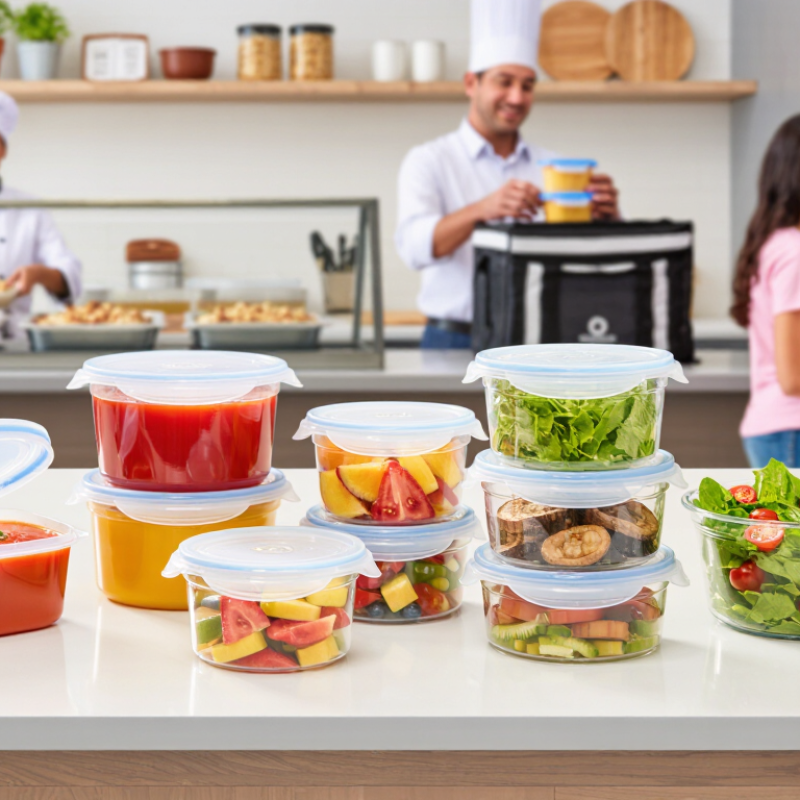
Disposable Food Storage Containers help busy kitchens portion, protect, and transport meals with less cleanup. Picture a café packing soup for lunch, or a family storing sliced fruit for tomorrow. A secure lid can help prevent spills, while clear sides make contents easy to identify. For caterers and small food businesses, consistent container sizes can also simplify packing and handoff.
In an illustrative expert voice, packaging specialist Maya Chen puts it this way: “Good food packaging protects the meal and makes the next step easier.” That is a useful standard, not a promise that every container suits every food. Buyers should check material, capacity, lid fit, and whether the product is rated for freezing or reheating. Hot food needs appropriate packaging. So does a chilled dessert. Details matter.
Convenience is only part of the decision. These containers can reduce washing during busy service, but they also create waste after use. That trade-off deserves attention. Choose a size that fits the portion, avoid unnecessary double packaging, and follow the product’s care and disposal instructions. A container that leaks or warps is not a bargain. Neither is one that does not match the meal. The best choice depends on the food, the journey, and the way people will use it. Sometimes the simple option is right. Sometimes it isn’t.
What Disposable Food Storage Containers Are and How They Work
Disposable food storage containers are lightweight vessels made to hold, transport, or serve food without requiring permanent storage. They commonly use plastic, paperboard, or molded fiber, with shapes ranging from shallow trays to tall cups. Many come with a separate lid. Their usefulness is simple: they keep food contained and make portions easier to carry.
The container’s base supports the food, while its sides help limit spills and contact with hands or surfaces. A fitted lid can reduce leaks and slow moisture loss, though it does not make every container airtight. For example, a soup cup may travel well when upright but leak if squeezed in a crowded bag. Materials also behave differently: paperboard can soften with wet foods, and some plastics may warp with heat. Check the container’s care instructions before using it in a microwave or freezer. The packaging may look sturdy, but appearances can mislead.
Tips: Let hot food cool slightly before sealing it, unless the container’s instructions say otherwise. Keep liquids upright, and use only containers labeled for the intended temperature. A snug lid helps, but it is not a guarantee against spills.
Why Choose Disposable Food Storage Containers?
Food Safety Temperature Guidelines
Disposable food containers can help portion and transport food, but safe temperatures matter: keep cold food at or below 40°F, keep hot food at or above 140°F, and reheat leftovers to 165°F. Follow the container’s food-contact and microwave-use instructions.
Source: USDA FSIS food safety guidance.
Common Materials, Designs, and Available Sizes
Common materials, designs, and available sizes
Disposable food storage containers come in several materials, each suited to different uses. Paperboard works well for dry foods or brief serving periods, but sauces can soften it over time. Plastic containers made from polypropylene or PET are lightweight and clear. Check the label before microwaving, since heat suitability varies. Molded fiber, often made from plant pulp, feels firm, though wet foods may need a suitable liner.
No material is perfect. Designs matter, too. Hinged lids open quickly, while separate snap-on lids can help secure food during careful transport. Compartments keep rice, vegetables, and dressing apart, but their seams can make handling less convenient.
Available sizes range from small sauce cups to meal boxes holding several portions. Compare the listed capacity with the food you plan to pack. A tall container may hold more, yet stack poorly in a crowded refrigerator. A 700-milliliter box can feel cramped when food needs room to shift. It is an easy detail to overlook.
Tips: Match the container to the food’s temperature, moisture, and portion size. Test one sample with an actual meal before ordering in bulk; it can reveal awkward lids or leaks.
Key Benefits for Food Storage, Transport, and Service
Disposable food storage containers make food easier to portion, carry, and serve. A tight-fitting lid can help keep sauces off delivery bags, while stackable shapes save space in busy refrigerators. Clear sides also let staff identify prepared salads or soups without opening each container. Small practical details matter. A container is not a food-safety plan, though: food still needs suitable temperatures, clean handling, and timely delivery.
The USDA estimates that 30–40% of the U.S. food supply is wasted. Its estimate highlights the value of careful portioning and storage, though packaging alone cannot prevent waste.
There is a trade-off. Single-use containers create packaging waste, so teams should choose an appropriate size, avoid unnecessary extras, and check local disposal options. The best container is often the one that fits the food, route, and service style—not simply the cheapest option.
How to Choose Containers for Different Food-Handling Needs
Choose containers by the food’s texture, temperature, and journey. For broth, curry, or dressing, use a tight-fitting lid and a leak-resistant seal; test it over a sink before packing. For cut fruit or crisp greens, choose a wide container that limits crushing and leaves room for gentle handling. Sauces stain some plastics, and thin containers can buckle when warm. The awkward part: one size rarely works.
For meal prep, shallow containers help divide portions and cool food more evenly than deep tubs. USDA FSIS guidance says to refrigerate perishable food within two hours and use refrigerated leftovers within three to four days. The FDA Food Code sets 41°F (5°C) or below for cold holding in food-service settings. A container cannot control temperature, so pair a sound lid with prompt refrigeration and insulated transport when needed. For hot, moist meals, choose heat-rated food-contact material and follow its stated use limits. Check closures, seams, and stacking stability before service. I would not assume “disposable” means suitable for every microwave or freezer. Read the handling instructions; small details matter.
Why Choose Disposable Food Storage Containers? - How to Choose Containers for Different Food-Handling Needs
| Container type | Good fit for | Handling strengths | Heating and cold storage | Key limitations |
|---|---|---|---|---|
| Polypropylene (PP) | Hot meals, soups, sauces, and takeaway portions | Lightweight, moisture-resistant, and generally more heat-tolerant than many common food-container plastics | Microwave only when the container is labeled microwave-safe; refrigeration is commonly suitable | Heat limits vary by design. Not every PP container is microwave-safe or suitable for repeated use. |
| Polyethylene terephthalate (PET) | Chilled salads, fruit, desserts, and display-ready cold foods | Clear presentation, low weight, and a useful barrier against moisture for many cold-food applications | Well suited to chilled storage; not intended for microwave or oven heating | Heat can deform the container. Recycling acceptance depends on local collection rules and the specific item. |
| Expanded polystyrene (EPS) foam | Short-distance service of hot or cold takeaway foods where insulation matters | Lightweight and insulating; helps slow heat transfer during brief transport | Use for serving and transport as directed; do not microwave unless explicitly labeled for that use | Can be bulky and prone to cracking. Local restrictions and recycling options vary. |
| Coated paperboard | Sandwiches, bakery items, fries, and some prepared meals | Easy to stack and print; coatings can improve resistance to grease or moisture | Suitable for the food and temperature range stated by the supplier; microwave use depends on its coating and construction | Not all paperboard is leakproof or recyclable with ordinary paper; food residue and coatings can affect disposal. |
| Molded fiber or bagasse | Sandwiches, sides, and solid or moderately moist takeaway foods | Rigid, stackable, and made from plant-fiber materials; some products are designed for short reheating | Microwave or hot-food use only when the product is labeled for it; refrigeration suitability varies | May soften with prolonged contact with liquids or oily foods. Composting access and product certification vary. |
| Aluminum foil tray | Oven-baked dishes, roasting, and food that needs a sturdy heat-safe serving tray | Handles oven heat well and provides a barrier to light, air, and moisture when intact | Oven use is common; never place foil containers in a microwave unless the appliance and container instructions specifically allow it | Can bend under heavy food. Acidic or salty foods may react with aluminum during prolonged contact. |
| Ovenable CPET tray | Prepared meals intended for chilled storage and reheating in an oven | Designed to tolerate higher temperatures than standard PET and can move from chilled storage to oven reheating when specified | Follow the exact oven, temperature, and time limits printed on the product; microwave compatibility is product-specific | Not all CPET trays have the same temperature rating. Remove or check lids before heating. |
Selection note: Food-contact suitability, temperature limits, lid compatibility, and disposal options vary by product and local regulations. Check the container’s labeling and supplier specifications, and choose a size and closure suited to the food’s moisture, temperature, and transport needs.
Food Safety, Reuse Limits, and Environmental Considerations
Disposable food storage containers can keep portions separate during transport and reduce contact with hands, bags, and shared surfaces. Choose containers intended for food, and follow their temperature instructions. A container that looks sturdy is not automatically safe for hot food or microwave use. Check the label before heating. Small details matter.
Many disposable containers are designed for one use, not repeated washing. Scratches, cloudy patches, warped edges, or lingering food odors can make cleaning less reliable. Reuse limits are not always obvious. If a container is marked single-use, replacing it after use is the more cautious choice, especially for oily or strongly colored foods. It can feel wasteful, and sometimes it is; the right choice depends on the container and how it was handled.
Environmental impact also depends on local collection systems. Some materials may be accepted for recycling in one area but rejected in another, and food residue can affect sorting. Empty and clean containers when local guidance requires it. Avoid assuming that a recycling symbol guarantees acceptance. For frequent meal storage, durable containers may reduce disposable waste, though they need washing and eventual replacement too. The trade-off deserves a closer look.
