Why Choose Planet Friendly Packaging for Global Buyers?
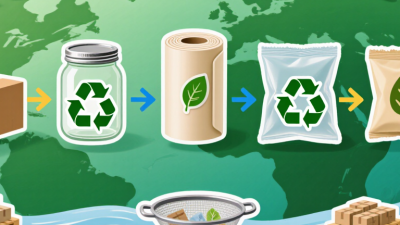
Global buyers are rethinking how products arrive, perform, and leave an environmental footprint. Planet Friendly Packaging offers a practical response to this change. It can reduce unnecessary material, support responsible sourcing, and improve a brand’s relationship with customers. However, the right choice depends on product protection, shipping distance, climate, and disposal systems. A lightweight carton may save transport emissions, while poor strength can increase damaged goods and replacement shipments.
Real purchasing decisions require more than attractive sustainability claims. Buyers should examine recycled content, fiber sources, manufacturing conditions, and available end-of-life options. Supplier audits, product specifications, and recognized certifications can provide useful evidence. They do not remove every uncertainty. Some packaging labeled compostable needs industrial facilities, which many regions lack. Recycled materials may also require careful testing before protecting fragile products.
Small details matter. A well-designed mailer can fit closely around a ceramic cup, reducing empty space and movement during delivery. Water-based inks, minimal coatings, and right-sized boxes may support simpler recovery processes. Still, no package is perfect. Local infrastructure differs widely. Climate goals can conflict with moisture resistance, shelf life, or cost control. That tension deserves honest discussion.
For global buyers, Planet Friendly Packaging is not a single material or universal solution. It is a measured approach based on evidence, product needs, and regional realities. Responsible suppliers explain limitations, share performance data, and improve designs over time. Some decisions will need revision. That is part of credible progress.
Define Planet-Friendly Packaging Through UNEP’s 36% Plastics-Use Statistic
Why Choose Planet Friendly Packaging for Global Buyers?
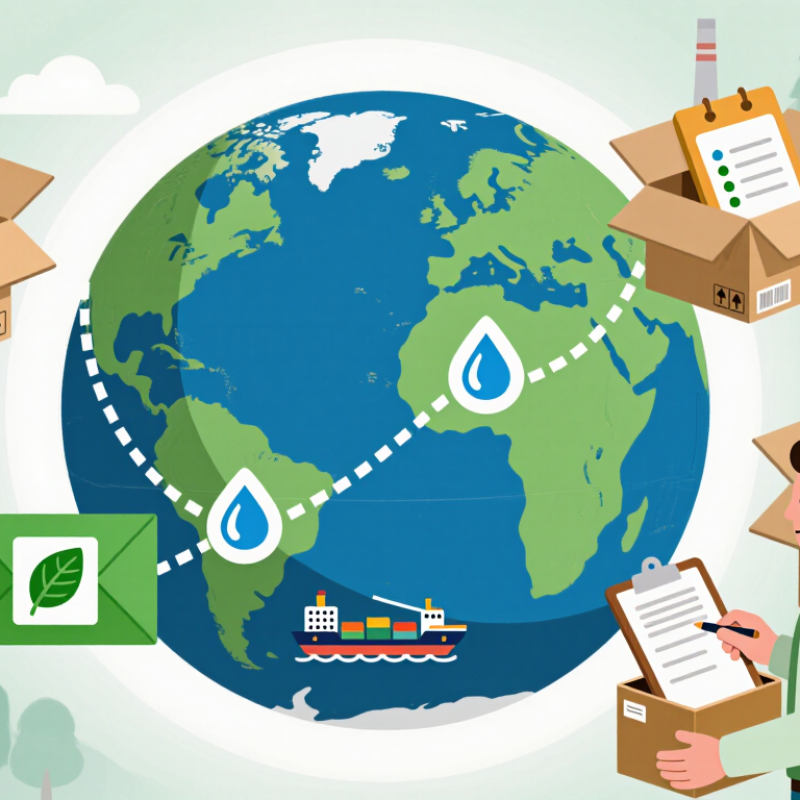
Planet-friendly packaging begins with a hard number. UNEP reports that packaging uses about 36% of all plastics produced worldwide. Much of it serves a short journey, from a factory line to a customer’s bin. A clear pouch may protect food for days, yet remain in the environment for decades. This imbalance gives buyers a practical reason to redesign packaging, not merely change its appearance.
The OECD’s Global Plastics Outlook reports that only 9% of plastic waste was recycled globally in 2019. The rest was burned, buried, or leaked into nature. For global buyers, better packaging should reduce unnecessary material first. It should also use recycled or renewable inputs where local systems can handle them. A thinner carton, fewer layers, and readable disposal instructions can matter more than a fashionable green claim.
The details are rarely perfect. A fiber package can absorb moisture. A compostable format may fail without industrial composting facilities. UNEP’s Turning off the Tap report warns that material substitution alone cannot solve plastic pollution. Buyers should request lifecycle evidence, recovery data, and supplier testing before changing specifications. Packaging should survive transport, storage, and real handling conditions. Otherwise, damaged goods may create a larger footprint. Progress can be uneven. That is worth admitting.
Compare Material Footprints Against the OECD’s 353-Million-Tonne Waste Baseline
Why Choose Planet Friendly Packaging for Global Buyers?
The OECD reported roughly 353 million tonnes of plastic waste in 2019. That figure gives buyers a serious reference point, not a marketing slogan. Packaging decisions can either add to this pressure or reduce it. Weight alone misleads. A lightweight pouch may use fewer materials, yet remain difficult to recycle. A heavier fiber box may perform better in recovery systems, depending on local facilities.
Material footprints need broader checks. Recycled content can lower demand for virgin resources, but collection and processing still require energy. Paper-based packaging may support established recycling streams, while coatings can complicate sorting. Shipping distance also matters. A compact package can reduce transport emissions, even when its material footprint is not the lowest. Manufacturing conditions matter too. End-of-life options matter most.
These details require evidence. That is harder. Buyers should request material percentages, recycled-content records, supplier test data, and disposal guidance for each target market. One shipment can expose weak assumptions: a damp warehouse, damaged seals, or limited recycling access. Supplier claims should be checked against independent assessments where possible. Real improvement is rarely perfect. A package may reduce plastic use but increase material weight. It may recycle well in one country and fail elsewhere. That tension deserves honest reporting, not polished promises.
Assess Recyclability Under the EU’s 2030 Packaging Requirements
Why Choose Planet Friendly Packaging for Global Buyers?
Assess Recyclability Under the EU’s 2030 Packaging Requirements
Global buyers are examining packaging beyond appearance and transport strength. Under the EU Packaging and Packaging Waste Regulation, packaging must meet stricter recyclability expectations by 2030. A recyclable claim alone may not be enough.
A practical assessment begins with the full pack. Check the material structure, closures, labels, inks, coatings, and adhesives. A paper carton with a plastic window may create sorting problems. Dark pigments can also confuse optical sorting equipment. Keep components easy to separate. Reduce unnecessary layers where performance allows.
Test the package in realistic conditions. Fill it, seal it, stack it, and expose it to moisture. Then confirm whether recycling systems can identify and process it. Collection access differs across European markets, so one result may not apply everywhere. This detail is often missed.
Review supporting evidence from qualified laboratories or recognized recycling protocols. Keep material specifications and test records available for buyers and regulators. Packaging design should also consider recycled content, reuse potential, and restricted substances where applicable.
The process is not perfect. Recycling guidance can change, and local infrastructure remains uneven. A package may pass a laboratory test but perform poorly in a real sorting facility. That gap deserves honest review. Global buyers should ask for measurable evidence, not attractive environmental language. Small design decisions can determine whether packaging is recovered or discarded.
Evaluate Carbon Reduction Using Life-Cycle Assessment Standards
Why Choose Planet Friendly Packaging for Global Buyers?
Planet-friendly packaging needs evidence, not attractive claims. Life-cycle assessment follows ISO 14040 and ISO 14044 principles. Carbon accounting can also align with ISO 14067 and the GHG Protocol Product Standard. These frameworks examine materials, manufacturing, transport, use, and end-of-life.
The OECD’s Global Plastics Outlook estimates that plastics created 1.8 billion tonnes of greenhouse gas emissions in 2019. Packaging decisions therefore deserve measured comparisons. A lighter package is not automatically better. Recycled content, electricity sources, production waste, and disposal routes can change the result.
A practical LCA should define one functional unit, such as packaging that protects 1,000 shipped products. Compare the same performance. A 500-gram container may use less material, yet fail during humid ocean transport. Replacements can erase expected savings. Real procurement is messier.
Measure kilograms of carbon dioxide equivalent, water use, damage rates, and transport distance. The United Nations Environment Programme’s Global Resources Outlook 2024 reports that global resource extraction has tripled since 1970, increasing pressure on material efficiency.
Buyers should request documented assumptions, supplier-specific energy data, recycled-content verification, and regional end-of-life scenarios. Data gaps remain. When primary data is unavailable, use recognized databases and disclose estimates clearly. Review the model when factories, routes, or materials change; an old footprint can quietly become misleading.
Measure Buyer Value Through Trivium’s 54% Sustainable-Packaging Preference Data
Global buyers increasingly examine packaging before they examine the product. A widely cited consumer study found that 54% of shoppers prefer sustainable packaging. That figure signals a commercial shift, not a passing trend. Buyers want lighter materials, fewer layers, and packaging that feels easier to recover after use. A recyclable box can reduce disposal confusion. Clear labeling helps at the kitchen table.
This preference also changes procurement decisions. Experienced buyers often ask suppliers for material details, recycled content, and practical end-of-life guidance. They may compare transport weight, package strength, and storage efficiency. Sustainable packaging must protect goods through warehouses, trucks, and humid conditions. A fragile package creates waste too. The best choice balances environmental goals with product safety and cost control.
Still, the 54% figure should not become a shortcut. Preferences can vary by region, income, product category, and access to recycling services. Some “green” materials perform poorly when they require special collection systems. Buyers need evidence, not attractive claims. Suppliers should test packages in real shipping conditions and report limitations honestly. The work is imperfect. Better data, clearer instructions, and repeated improvement can make planet-friendly packaging more credible for global markets.
Related Posts
-
How to Choose Planet Friendly Packaging in 2026?
-
China Top 10 Recycled Packaging Suppliers for Global Buyers
-
China Top 10 Sustainable Packaging Suppliers?
-

Unlocking Sustainable Solutions A Comprehensive Guide to Best Eco Packaging Practices
-

Top 10 Eco Packaging Solutions for a Sustainable Future
-
The Future of Recycled Packaging Innovations Transforming Sustainability Efforts