2026 Top Trends in Packaging Printing You Need to Know?
As we approach 2026, the landscape of Packaging Printing is evolving rapidly. Recent industry reports indicate that the global packaging market is expected to reach $1 trillion by 2026. This growth drives innovation and adaptation within packaging printing techniques. Brands are increasingly focusing on sustainability and personalization, reflecting consumer demand for eco-friendly materials and unique designs.
Packaging Printing isn’t just about aesthetics anymore. It plays a critical role in supply chain efficiency and brand identity. Companies like HP and Epson are leading advancements in digital printing technology. However, challenges remain. Not all businesses have adopted these innovations. Many still rely on traditional methods, which can lead to inefficiencies and higher costs.
Understanding these trends is essential for staying competitive. The rise of e-commerce also pressures packaging printing companies to modify their processes. There is room for improvement in quality and speed. A deeper dive into these trends will unveil not only opportunities but also critical areas that need reflection and strategic adjustment.
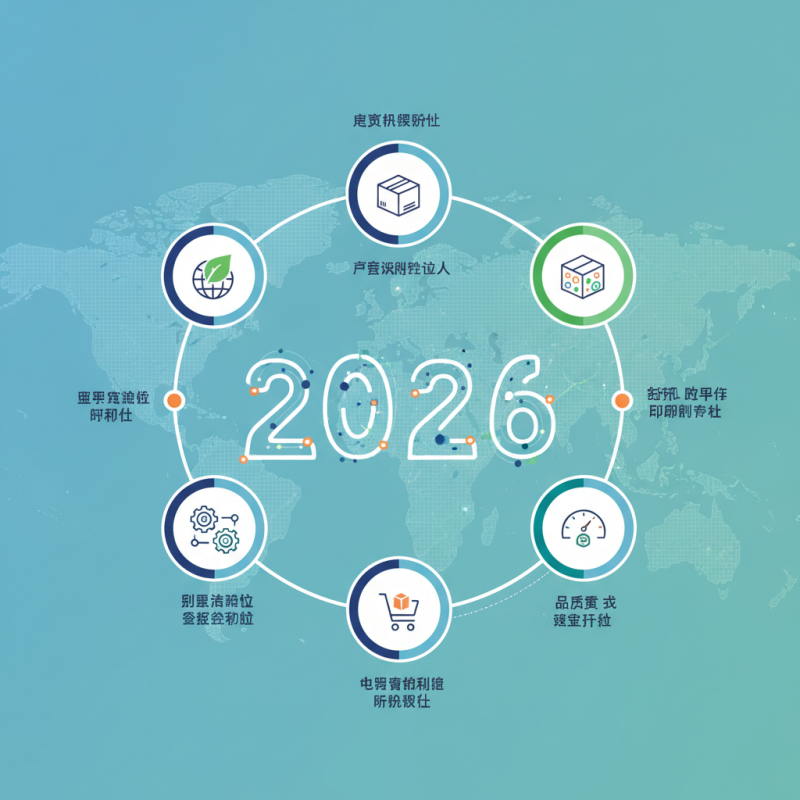
Emerging Sustainability Trends in Packaging Printing for 2026
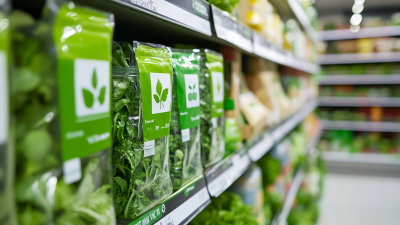
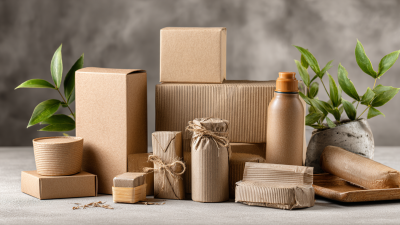
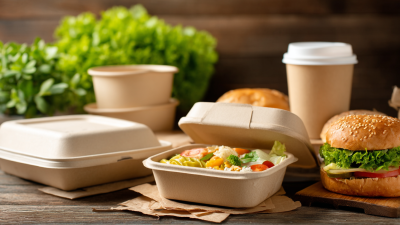
Emerging sustainability trends in packaging printing for 2026 highlight a shift towards eco-friendly practices. More companies are focusing on biodegradable materials and recyclable options. These changes aim to reduce waste and lower carbon footprints. The use of plant-based inks is also gaining traction. These inks are safer for the environment and offer vibrant colors.
Another significant trend is the increase in digital printing technology. This method allows for more precision and less material waste. The ability to print smaller runs can help reduce overproduction. However, embracing this technology comes with challenges. Not all manufacturers can afford the transition to digital processes. Many are still reliant on traditional methods.
Consumer awareness around sustainability continues to rise. Shoppers are actively seeking products with eco-friendly packaging. This demand forces brands to rethink their choices. They must balance cost-effectiveness with sustainability. Not everyone has the resources to make this shift immediately. Real change takes time, effort, and investment.
2026 Top Trends in Packaging Printing
The bar chart above illustrates the significant trends in packaging printing expected to gain traction by 2026. Sustainable materials lead the chart, highlighting the growing emphasis on eco-friendliness in the industry. Digital printing and customization are also crucial, showcasing the drive for innovation and personalization. Meanwhile, reduced waste and smart packaging reflect the industry's shift towards sustainability and technology integration.
Advancements in Digital Printing Technologies Impacting Packaging
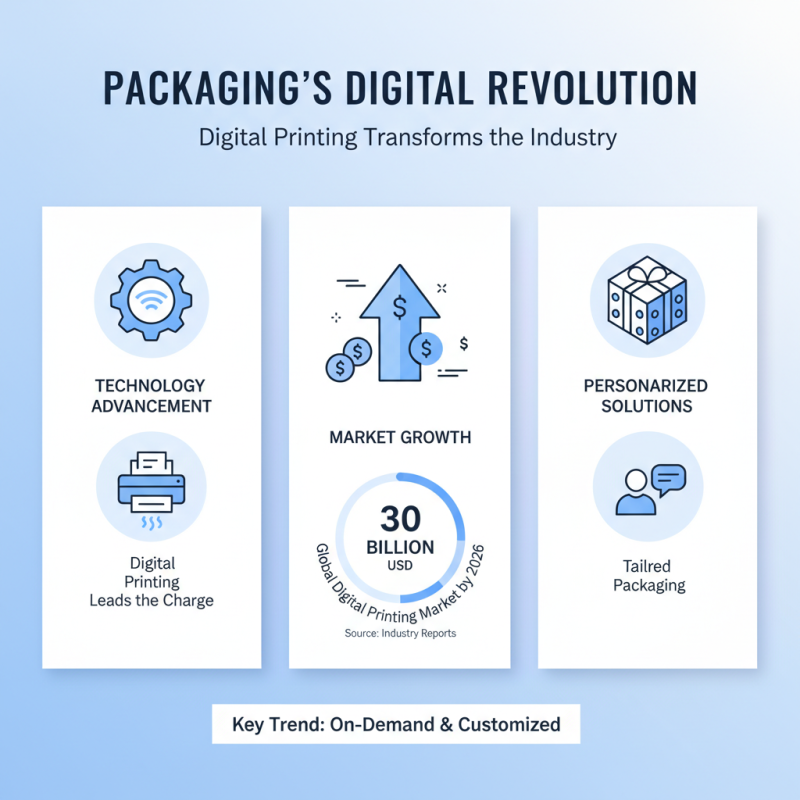
The packaging industry is undergoing a significant transformation. Advancements in digital printing technologies are leading the charge. By 2026, the global digital printing market is projected to reach $30 billion, according to industry reports. This rapid growth illustrates the shift towards personalized packaging solutions.
Digital printing offers speed and flexibility. It allows brands to create customized packaging with ease. Short-run printing has become more affordable. This opens doors for smaller companies. They can compete with larger players without large inventories. However, many are still hesitant. The initial investment in digital printers can be daunting.
Sustainability is also a growing concern. Digital printing often produces less waste compared to traditional methods. Companies are increasingly looking for eco-friendly materials. Yet, finding a balance between cost and sustainability remains a challenge. Adjusting supply chains to support greener practices is necessary. Efforts in this direction need to be constantly assessed for effectiveness. As the industry progresses, these dilemmas will need to be addressed more vigorously.
Key Consumer Preferences Driving Packaging Design Innovations
Consumer preferences are evolving rapidly, influencing packaging design innovations. Today’s shoppers seek sustainability and functionality. Eco-friendly materials are in high demand. Many consumers prefer packaging that is recyclable or biodegradable. This shift reflects a growing environmental consciousness across various demographics.
Design aesthetics also play a crucial role. Modern consumers are drawn to unique and eye-catching designs. Bold colors and innovative shapes create a memorable impression. However, not every attempt at creativity resonates well. Brands need to strike a balance between aesthetics and practicality. Functionality must not be sacrificed for the sake of visual appeal.
Moreover, convenience is key. Easy-open features and resealable options enhance the user experience. Yet, some brands overlook these practical needs. Packaging that is difficult to open can frustrate consumers. Listening to feedback is essential for improvement. Brands must adapt to these shifting priorities to thrive in the competitive market.
2026 Top Trends in Packaging Printing You Need to Know
| Trend |
Description |
Consumer Preference |
Impact on Design |
| Sustainability |
Increased demand for eco-friendly materials and practices. |
76% of consumers prefer sustainable packaging. |
More use of biodegradable and recyclable materials. |
| Personalization |
Custom packaging to enhance product appeal and brand identity. |
68% of consumers enjoy personalized packaging experiences. |
Greater focus on unique designs and customizable elements. |
| Smart Packaging |
Integration of technology such as QR codes and sensors. |
58% of consumers find smart features appealing. |
Incorporation of tech for enhanced consumer engagement. |
| Minimalist Design |
Clean and simple designs that convey clarity. |
72% of consumers appreciate minimalistic packaging. |
Focus on essential information and reduction of clutter. |
| Interactive Packaging |
Encouraging consumer interaction for better engagement. |
63% of consumers are attracted to interactive elements. |
Use of augmented reality and unique textures. |
Integration of Smart Packaging Solutions in the Industry
Smart packaging solutions are shaping the future of the packaging printing industry. This technology integrates digital elements into packaging, creating a dynamic connection with consumers. By incorporating QR codes or NFC chips, packages become more interactive. They invite consumers to explore more about the product. This trend enhances the shopping experience.
However, challenges exist. Not all brands have the resources to implement smart features. Some consumers may also resist adopting new technology. Additionally, the printing process for smart packaging can be complex. This complexity may lead to higher production costs. It’s vital for businesses to weigh the benefits against potential drawbacks.
The integration of smart packaging also raises questions about data privacy. Consumers are more aware of how their data is used. Brands need to address these concerns transparently. Thoughtful execution can lead to a deeper consumer connection. Yet, companies must remain vigilant about the ethical implications of smart packaging. Balancing innovation with responsibility is crucial for sustainable growth in the industry.
Forecasting Market Growth: Statistical Insights on Packaging Printing Trends
The packaging printing industry is experiencing notable growth, driven by evolving consumer demands. According to a recent report by Smithers Pira, the global packaging printing market is projected to reach $500 billion by 2026. This growth is fueled by innovations in digital printing and sustainable materials. Digital printing now accounts for nearly 30% of the packaging market. It offers flexibility that traditional methods cannot match. Companies are increasingly adopting this technology to personalize products and enhance brand engagement.
Sustainability is also a major concern. Research indicates that 72% of consumers prefer eco-friendly packaging. In response, the industry is shifting toward biodegradable and recyclable materials. This transition is not without its challenges. While sustainable options are gaining traction, the higher costs can deter some manufacturers. Additionally, the infrastructure for recycling is often inadequate in many regions. This creates a complex landscape for companies striving to meet consumer expectations while managing production costs.
As brands compete for shelf space, effective packaging design becomes crucial. A survey found that 65% of consumers are influenced by packaging while making a purchase. However, balancing aesthetics with functionality poses a dilemma. Brands must create visually appealing designs that also protect the product. It is a constant challenge that requires creativity and innovation within the packaging printing sector.