What Are the Best Sustainable Packaging Suppliers in China?

Choosing a sustainable packaging supplier in China involves more than comparing prices or polished product photos. Buyers should examine materials, production controls, sample quality, and evidence behind environmental claims. For a paper mailer, that means checking recycled-fiber content, coatings, adhesives, and performance during humid shipping. A compostable pouch needs careful review too. A green label alone proves little.

This guide explains how to assess Sustainable Packaging suppliers, compare product options, and ask practical questions before placing an order. It considers factory experience, customization, minimum order quantities, lead times, and communication during sampling. Request current documents, then confirm that their scope covers the specific product and material being offered. Where possible, compare samples and test seals, dimensions, and durability under realistic handling. Small details matter.

No supplier is ideal for every buyer. A lower unit price may come with longer lead times or limited material choices, while attractive claims may lack clear supporting evidence. Some trade-offs are hard to resolve from a website alone. That deserves a pause. The aim is not to endorse a supplier based on broad promises, but to help readers build a shortlist using verifiable details, relevant experience, and their own packaging requirements.
What Are the Best Sustainable Packaging Suppliers in China?

How Is Sustainable Packaging Defined in China?

In China, sustainable packaging is best understood as a design approach, not one material or a single official label. It aims to reduce environmental impact across a package’s life, from raw materials and production to transport and disposal. Practical choices include using less material, making packs easier to sort, and designing containers for reuse. Recyclable paper or plastic can help, but only when local collection and processing systems can handle it.

The details matter. A thin pouch may use less material than a rigid box, yet be difficult to recycle if it combines several layers. Compostable packaging is not automatically a better option; it needs suitable processing facilities and clear disposal instructions. China’s standards and policies influence packaging design, but buyers should still check the specific material, test data, and end-of-life pathway. I would not judge a package by a green label alone. That is an easy mistake.

Tips: Ask suppliers for material specifications and recycling guidance. Check whether inks, coatings, adhesives, and closures affect sorting. Request evidence for environmental claims, and confirm that the proposed format suits the product and local waste systems. Small changes can matter. So can honest limits.

Which Materials and Packaging Formats Do Chinese Suppliers Offer?

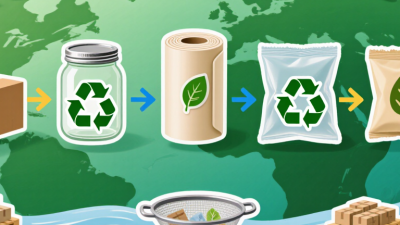
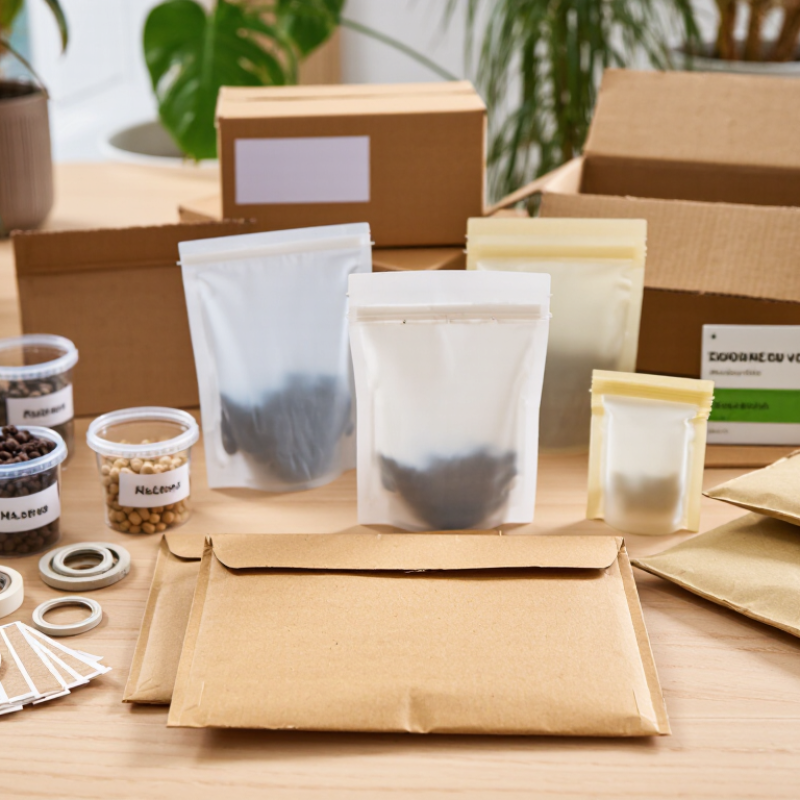
Chinese sustainable packaging suppliers commonly offer kraft paper, molded fiber, bagasse, bamboo fiber, and recycled-content plastics. Paper formats include mailers, folding cartons, paper cushioning, and food boxes. Molded-fiber trays can hold bottles or electronics in fitted compartments. Bagasse bowls and clamshells suit takeaway meals, but coatings affect heat and moisture resistance. Bamboo-based packaging varies; ask about binders and additives. Recycled PET or PE may work for bottles and flexible pouches when paper is unsuitable. No material is sustainable in every situation. Weight, sourcing, reuse, and local disposal options all matter.

Suppliers can make custom sizes, printed sleeves, insert trays, stand-up pouches, and protective shipping packs. Check whether a format is designed for direct food contact, repeated use, or single use. Request samples that match your product’s weight and dimensions. Test seals, corner strength, and performance after exposure to damp conditions. Details matter. Material names alone do not confirm real-world performance, and supplier specifications may need independent verification.

Tips: Ask for material composition, coating details, and test reports. Confirm minimum order quantities and sample lead times. Compare packaging after transit testing, not just on a showroom table. A small trial run can reveal flaws before a larger order.

Sustainable Packaging Materials and Formats Offered by Chinese Suppliers

Examples of established material–format applications. Each colored segment represents one material option; this is not a supplier count or market-share estimate.

Options vary by supplier and product requirements. Confirm recycled content, recyclability, food-contact compliance, and compostability certifications for each specific product.

What Criteria Help Identify a Leading Sustainable Packaging Supplier?

A leading sustainable packaging supplier can substantiate its claims with clear specifications and test records. The OECD’s Global Plastics Outlook (2022) estimates that packaging generated 40% of plastic waste in 2019. So material choice is only one part of the assessment. Ask for the finished package’s material composition and recycled-content percentage, not just figures for its raw material. Request test results for strength, moisture resistance, and sealing performance. A lighter carton is not a better choice if it leads to crushed products and replacements.

Check whether the supplier tracks facility-level energy, water, and production waste. Ask for traceability documents supporting recycled-content claims, and confirm that the data cover the actual product and production site. The OECD also reported that only 9% of plastic waste was recycled globally in 2019, making vague recycling claims worth questioning. Test samples under real filling and shipping conditions. Paperwork can look convincing; actual shipments are less predictable. Delivery consistency and achievable order volumes matter, too.

Tips: Request a dated specification sheet, independent test reports, and a sample batch before committing. Compare performance per shipped unit, not just the packaging material in isolation.

What Are the Best Sustainable Packaging Suppliers in China? — Criteria for Identifying a Leading Supplier

Evaluation Criterion Why It Matters Evidence to Request Strong Screening Benchmark Suggested Weight
Material sourcing and traceability Responsible sourcing and traceable inputs help buyers verify where packaging materials originate and support credible environmental claims. Material specifications, supplier declarations, chain-of-custody records, and applicable FSC or PEFC documentation for certified paper-based materials. Can trace key materials to documented sources and provide current, scope-relevant certificates where certification is claimed. 15%
Recyclability and end-of-life design Packaging is more likely to be recycled when its materials and construction are compatible with the collection, sorting, and recycling systems in the destination market. Material composition, component-separation instructions, design specifications, and recyclability assessment for the intended market. Provides market-specific evidence and avoids describing packaging as recyclable solely because one component is technically recyclable. 15%
Verified recycled content Recycled inputs can reduce demand for virgin materials, but the claimed percentage and its calculation method should be transparent. Recycled-content calculation, production records, purchase documentation, and independent verification where available. States recycled content by component and distinguishes pre-consumer from post-consumer material; claims are supported by records. 12%
Environmental management and certifications Management systems can help demonstrate consistent oversight of environmental impacts and production processes. Valid certificates, issuing-body details, covered site information, certificate scope, and renewal dates. ISO 14001 is an environmental management system standard. Certificates are current and apply to the actual manufacturing site and relevant activities; certification is not treated as proof that a product is automatically sustainable. 12%
Product safety and regulatory compliance Packaging must meet the applicable requirements for its intended use, especially when it contacts food or other regulated products. Material declarations, test reports, migration or safety documentation where applicable, and a written compliance statement for the destination market. Documents identify the tested material, intended use, relevant market requirements, and manufacturing site; food-contact evidence is provided when required. 10%
Life-cycle and carbon data Life-cycle information helps buyers compare materials and formats using a defined scope instead of relying on broad environmental claims. Life-cycle assessment or product carbon-footprint information, including boundaries, assumptions, data sources, and verification status. Comparisons use a consistent functional unit and disclose scope and assumptions; product carbon-footprint work may reference ISO 14067. 10%
Resource efficiency at the factory Energy, water, waste, and process controls affect the environmental footprint of packaging production. Site-level records or targets for energy, water, production waste, and emissions, with the reporting period and calculation method stated. Provides measurable, dated performance information and can explain how manufacturing waste is managed or recovered. 8%
Design and material-reduction capability Right-sizing and reducing unnecessary layers or components can lower material use while maintaining product protection. Design specifications, prototype or sample testing, protective-performance results, and documented material comparisons. Can demonstrate that lightweighting or material changes maintain required protection and functionality. 8%
Quality management and consistency Consistent specifications reduce defects, production interruptions, and avoidable packaging waste. Quality procedures, inspection records, test methods, product specifications, and applicable ISO 9001 documentation. Uses documented acceptance criteria and can provide batch or lot-level quality records for supplied products. 5%
Supply reliability and communication Clear lead-time, capacity, and change-control information helps buyers manage sourcing risks and avoid unnecessary expedited shipments. Production and delivery schedules, capacity information, contingency procedures, and a documented process for notifying buyers of material or specification changes. Communicates changes promptly and provides realistic, documented delivery and production commitments. 5%

Note: The weightings are an illustrative buyer scorecard, not a universal ranking. Any numerical targets or certification requirements should be set according to the packaging type, product use, destination market, and available recycling or recovery infrastructure. Compostability claims, if relevant, should specify the conditions and applicable standard; industrial compostability does not imply home compostability.

How Do China’s Top Sustainable Packaging Suppliers Compare?

What Are the Best Sustainable Packaging Suppliers in China?

How Do China’s Top Sustainable Packaging Suppliers Compare?

There is no reliable, universal ranking of sustainable packaging suppliers in China. The right comparison depends on the product, shipping conditions, and end-of-life options. OECD’s Global Plastics Outlook reports that packaging generated about 40% of global plastic waste in 2019. That makes material choice important, but “eco-friendly” claims alone prove little.

Paper and molded-fiber suppliers can suit dry goods and protective inserts, while flexible-packaging producers may offer lighter formats and stronger moisture barriers. European Bioplastics’ 2023 market data places packaging at 43.5% of global bioplastics production capacity. Still, a bio-based material is not automatically compostable in local facilities. Not always. Ask suppliers for material specifications, third-party test results, and clear disposal guidance.

Compare suppliers on more than unit price. Request samples and test seal strength, leak resistance, print quality, and performance after realistic transit. Check whether recycled-content claims are traceable and whether certifications cover the actual factory and product. Production capacity matters, too: a promising sample may not reflect a large production run. One weakness in many comparisons is limited visibility into factory-level data. Buyers should verify documents independently and clarify what happens to packaging in their target market.

What Should Buyers Verify Before Placing an Order?

What Are the Best Sustainable Packaging Suppliers in China?

Before placing an order, verify the exact factory, product, and material—not just the supplier’s brochure. The OECD’s 2022 Global Plastics Outlook reports that packaging generated about 40% of plastic waste in 2019. That figure makes material claims worth checking closely. Request a bill of materials, recycled-content evidence, and recent test reports for the specific packaging you plan to buy. Confirm that certificates cover the producing site and product type; a valid certificate may not cover every item in a catalogue.

Ask for samples from the production line, then compare thickness, weight, seals, and print quality against the approved sample. For food-contact packaging, request documentation relevant to the intended use and destination market. Confirm order quantity, tooling ownership, lead time, inspection arrangements, and what happens if a batch fails. Get key promises in writing. A low-impact material can still be a poor choice if it damages easily or requires extra layers in transit. Paperwork helps, but it does not replace inspection.

Tips

Ask for a recent production sample, not only a showroom piece. Check whether test reports name the same factory and material as your order. If a sustainability claim sounds vague, ask for its measurement method and supporting records. Be cautious: even careful checks cannot eliminate every production risk.